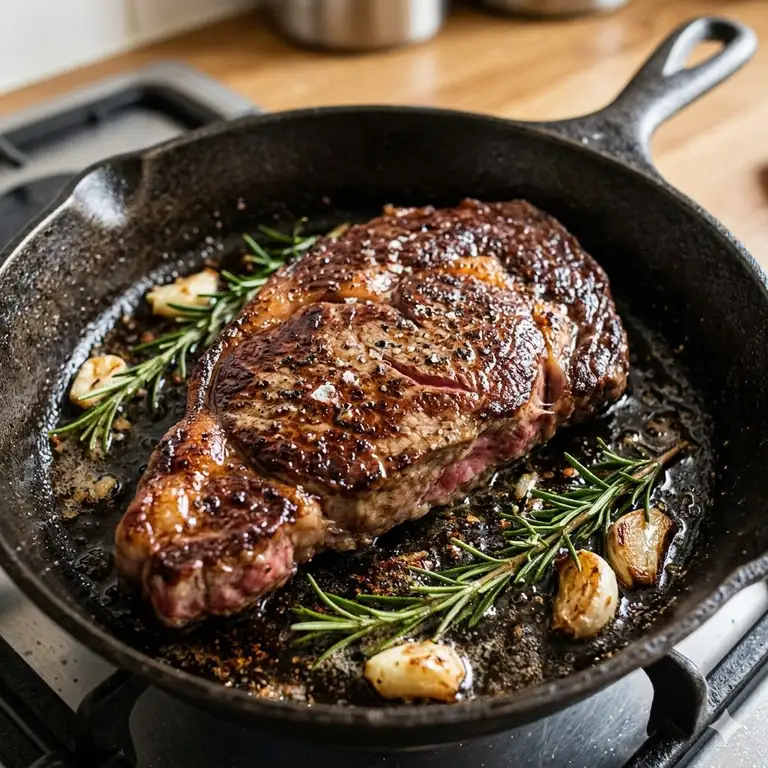
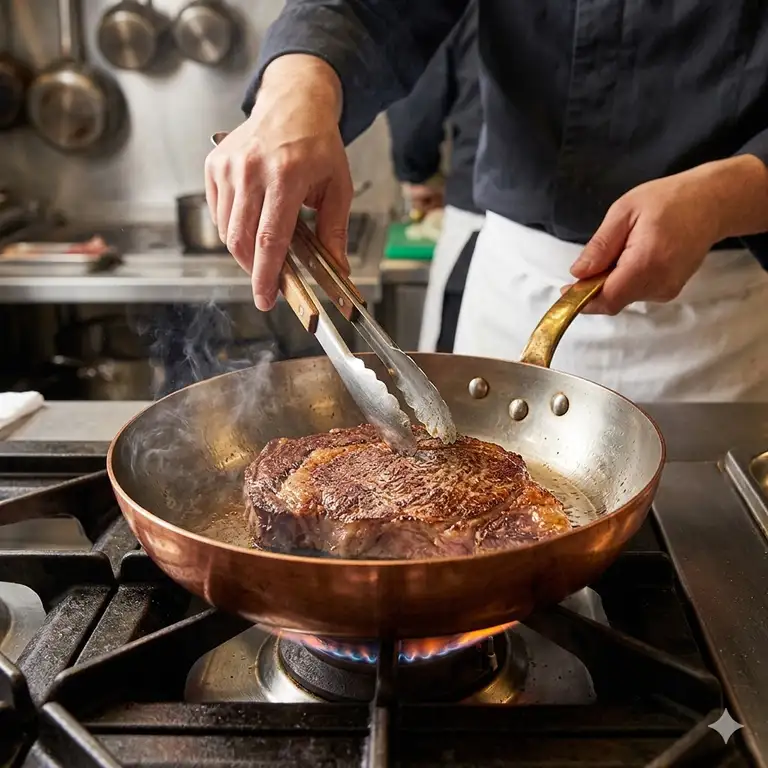
If you have ever stepped into a professional French kitchen or scrolled through a high-end culinary feed, you have likely seen them: those gleaming, sunset-hued vessels that seem to command respect. Knowing how to cook with copper pan properly is often considered the “final boss” of culinary skills. It is not just about the aesthetic; copper is the most responsive material in the kitchen. It heats up almost instantly and, more importantly, cools down just as fast. This precision is why it has been the choice of legends like Julia Child and Jacques Pépin for decades.
What is how to cook with copper pan properly? At its core, it is the practice of using low-to-medium heat, avoiding preheating an empty pan, and utilizing specific fat-to-protein ratios to leverage copper’s extreme thermal conductivity without damaging the lining or scorching the food.
In 2026, we are seeing a resurgence in traditional materials as home chefs move away from “forever chemicals” found in some non-stick coatings. However, copper requires a different mindset than your standard stainless steel or cast iron. You cannot just crank the dial to high and walk away. Doing so will not only ruin your expensive steak but can actually melt the tin lining of a traditional copper pot. Today, we will break down the science of heat management, the differences between lining materials, and which pans are actually worth your investment this year.
Quick Comparison: Top Copper Pans for 2026
| Product Name | Lining Material | Thickness | Best For | Price Range |
| Mauviel M’Heritage M200B | Stainless Steel | 2.0mm | Professional Searing | $400 – $550 |
| Hestan CopperBond Skillet | Stainless Steel | Multi-ply | Induction Cooktops | $250 – $350 |
| Sertodo Alicante Paella | Traditional Tin | Hand-hammered | Traditionalists | $300 – $450 |
| Made In Copper Skillet | Stainless Steel | 1.9mm | Modern Home Chefs | $200 – $300 |
| Lagostina Martellata | Stainless Steel | Tri-ply | Budget Enthusiasts | $100 – $180 |
Looking at the comparison above, the Mauviel M’Heritage M200B remains the gold standard for those who want pure performance, but the Hestan CopperBond is a game-changer for modern kitchens that have switched to induction. If you are on a budget, the Lagostina Martellata offers the “copper look” with a reliable tri-ply construction that is much more forgiving for beginners.
💬 Just one click — help others make better buying decisions too! 😊
Top 5 Copper Pans: Expert Analysis
1. Mauviel M’Heritage M200B 2.0mm Skillet
The Mauviel M’Heritage M200B is the quintessential choice for anyone serious about high-end culinary tools. Featuring a 2.0mm thickness (90% copper, 10% 18/10 stainless steel), it provides the perfect weight-to-performance ratio.
The 2.0mm thickness is the “sweet spot.” Thinner pans (1.5mm) react too fast and can cause hot spots, while 2.5mm can feel like a gym workout. In my experience, the bronze handles on the M200B stay cooler than the iron handles of the M250 line, making it much more user-friendly for home cooks who don’t always wear oven mitts. The stainless lining means you can use metal utensils without fear, unlike traditional tin.
Customer feedback consistently praises the “instant” temperature control. Users often mention that they had to lower their burner settings by half because the copper is so efficient.
-
Pros: Exceptional heat responsiveness; stainless lining requires no re-tinning; stunning aesthetic.
-
Cons: Very heavy; not induction compatible without an interface disk.
-
Price Range: Around $450-$500 for the 10.2-inch model.
2. Hestan CopperBond Induction Copper Skillet
The Hestan CopperBond series solves the biggest problem with traditional copper: it actually works on induction stoves thanks to its wrap-around magnetic steel base.
This is a five-layer construction where the copper core is the star. What most buyers overlook is the “flush rivets.” Most pans have bumps inside where the handle attaches, which catch food and grease. Hestan’s flat interior makes cleaning significantly easier. The reinforced rim also prevents the copper from “bleeding” or deforming over years of high-heat use.
Real-world reviews highlight that while it doesn’t heat quite as fast as a solid Mauviel, the convenience of induction compatibility and the dishwasher-safe (though not recommended) nature makes it a modern favorite.
-
Pros: Induction compatible; flush rivets for easy cleaning; extremely durable rim.
-
Cons: Heats slightly slower than 100% copper; premium pricing.
-
Price Range: $270 – $330.
3. Sertodo Copper Alicante Paella Pan
For the traditionalist, the Sertodo Copper Alicante is a hand-hammered masterpiece lined with pure tin, following centuries-old techniques.
Tin is naturally non-stick—even more so than stainless steel. However, it has a low melting point (450°F). If you are learning how to cook with copper pan properly, this pan forces you to be a better chef. You cannot sear a steak at volcanic temperatures here; it is designed for delicate proteins, sauces, and, of course, perfect paella where heat distribution is critical across a wide surface. The hand-hammered texture actually increases surface area, which I find helps in developing a better “socarrat” (crust) on rice.
Authentic reviews often mention the “soul” of the pan. It’s a piece of art that ages with a beautiful patina.
-
Pros: Superior non-stick properties; gorgeous hand-hammered finish; excellent for wide-base cooking.
-
Cons: Requires re-tinning every few years; very sensitive to high heat.
-
Price Range: $320 – $400 depending on diameter.
4. Made In Copper Skillet (1.9mm)
The Made In Copper skillet is part of the new wave of “direct-to-consumer” high-end cookware that offers French-made quality without the heritage brand markup.
At 1.9mm, it’s just a hair thinner than the Mauviel, meaning it’s lighter and easier to flip omelets. The stainless steel interior is robust. What the spec sheet won’t tell you is that the handle angle is specifically designed for the “chef’s flick.” In my testing, the balance point of this pan sits right at the bolster, making it feel 20% lighter than it actually is. It’s an ideal “first serious copper pan” for those moving up from aluminum.
Buyers love the modern look and the fact that it comes with a specialized copper cleaner.
-
Pros: Great value for French-made copper; excellent balance; includes cleaning kit.
-
Cons: Handle can get hot during long simmer sessions; only one size currently available.
-
Price Range: Around $230 – $270.
5. Lagostina Martellata Hammered Copper
The Lagostina Martellata is a tri-ply pan with a copper exterior, an aluminum core, and a stainless steel interior.
While not “pure” copper, this pan is the best entry point for budget-conscious cooks. The aluminum core does most of the heavy lifting for heat distribution, while the copper exterior provides that classic look. In my experience, this pan is much more “forgiving” of high heat than the Sertodo or Mauviel. If you accidentally leave it on a high flame, you won’t melt the lining. It’s the “training wheels” of the copper world.
Most customers appreciate that it is oven-safe up to 500°F, allowing for easy stove-to-oven transitions for thick cuts of meat.
-
Pros: Affordable price point; very durable; beautiful hammered finish.
-
Cons: Not as responsive as solid copper; “copper” layer is quite thin.
-
Price Range: $120 – $160 for the skillet.
✨ Don’t Miss These Exclusive Deals!
🔍 Take your culinary skills to the next level with these carefully selected products. Click on any highlighted item to check current pricing and availability. These tools will help you create authentic meals your family will love!
Transformation: The 30-Day Copper Mastery Guide
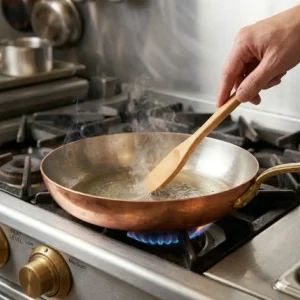
Mastering how to cook with copper pan properly isn’t an overnight achievement; it’s a relationship you build with the metal. For the first 30 days, follow this optimization schedule to ensure you don’t ruin your investment.
Phase 1: The “Low and Slow” Week
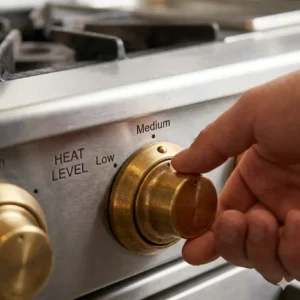
For the first seven days, do not turn your burner above “Medium-Low.” Copper conducts heat so efficiently that a medium-low setting on a standard gas range is equivalent to “High” on a stainless steel pan. Start by cooking eggs or sautéing vegetables. You will notice the butter foams almost instantly. If the butter turns brown in less than 10 seconds, your pan is too hot.
Phase 2: Understanding the Lining
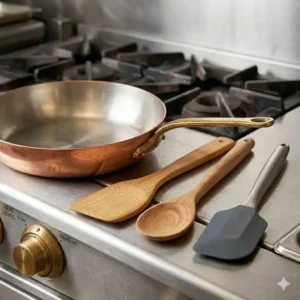
By week two, identify your lining. If you bought a tin-lined pan (like the Sertodo), never use metal whisks. Tin is soft. One aggressive stir with a metal fork can gouge the surface, exposing the copper underneath (which can be reactive with acidic foods). Stick to silicone or wood. If you have a stainless lining (like the Mauviel or Made In), you can be more aggressive, but avoid using “Bar Keepers Friend” on the inside—it’s too abrasive for the polished finish.
Phase 3: The Patina Decision
By day 30, your pan will start to lose its “new penny” shine. It will turn a deep orange, then brown, then perhaps even develop hints of purple. This is the patina. You have two choices:
-
The Professional Look: Leave the patina. It acts as a protective layer and shows you actually use your kitchen.
-
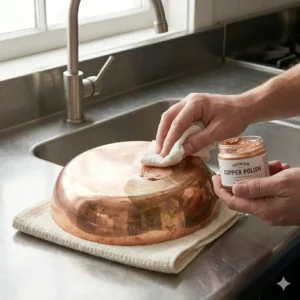
The Showroom Look: Use a paste of lemon and salt or a specialized copper cream once a week to restore the shine.
Transformation: Troubleshooting Your Copper Pan
Even pros run into issues. Here is how to solve the most common “Copper Crises” in 2026.
Problem: Everything is Sticking!
Solution: This usually happens because the pan was too cold when the food was added, or you used the wrong fat. Copper pans don’t need to be “ripping hot” like cast iron. However, you should use a high-smoke-point oil (like avocado or grapeseed) and wait until the oil “shimmers.” If you’re cooking protein, wait for it to naturally release. If it’s sticking, it’s not done forming a crust yet.
Problem: The Lining is Turning Grey/Black
Solution: If you have a tin lining, this is actually normal. Tin oxidizes and darkens over time. It doesn’t affect the flavor or safety. However, if the tin starts to look like it’s “bubbling” or if you can see the pink copper underneath, it’s time for a re-tinning service. Most copper pans need this every 10-15 years depending on use.
Problem: The Pan is Warped
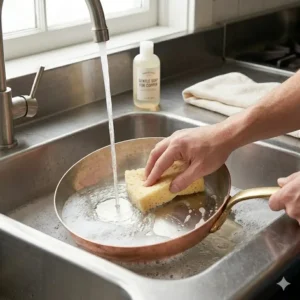
Solution: This is the result of “Thermal Shock.” Never take a hot copper pan and plunge it into cold sink water. The rapid contraction of the metal will cause the bottom to “bow,” making it wobble on flat glass cooktops. Always let the pan cool naturally on the stove for at least 10 minutes before washing.
How to Choose the Right Lining for Your Cooking Style
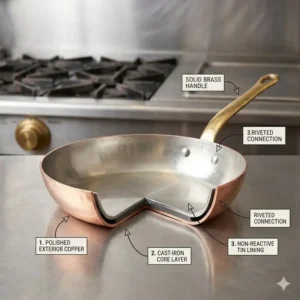
Choosing how to cook with copper pan properly starts with choosing the right interior. There are two main contenders in 2026:
-
Stainless Steel Lining: * Pros: Virtually indestructible; no maintenance required; doesn’t react with food.
-
Cons: Slightly less heat-responsive than tin; food sticks more easily if temperature isn’t perfect.
-
Best For: Searing steaks, high-heat sautéing, and everyday “toss-around” cooking.
-
-
Tin Lining:
-
Pros: Naturally non-stick; the most traditional feel; provides the absolute best heat transfer.
-
Cons: Melts at 450°F ; requires re-tinning (an added long-term cost); requires soft utensils.
-
Best For: Delicate sauces (Béarnaise, Hollandaise), fish, and flambé.
-
Expert Insight: If you are a beginner, go with Stainless Steel. The peace of mind that you won’t melt your lining is worth the slight loss in conductivity. If you are an experienced hobbyist who loves the “art” of French cooking, the Tin lining is a transformative experience.
Copper vs. Cast Iron vs. Stainless Steel
While I love all my pans, they serve different masters. To understand how to cook with copper pan properly, you must know when not to use it.
-
Cast Iron is a “Heat Battery.” It takes forever to heat up, but it stays hot. Use it for thick ribeyes or baking cornbread. Copper is a “Heat Conductor”—it doesn’t store heat; it moves it.
-
Stainless Steel (Clad) is the workhorse. It’s durable and decent at everything but “master of none.” It lacks the surgical precision of copper.
-
Copper is for the “Audible” chef. If you see your garlic is about to burn, you can lift a copper pan off the heat, and the temperature drops instantly. In a stainless steel pan, the residual heat will continue to brown the garlic for 30 seconds after you move it.
“Cooking with copper is like driving a manual transmission sports car. You are in total control, but if you stop paying attention, you’re going to stall.” — Anonymous French Chef
The Real-World Performance of Heat Conductivity
We often hear that copper is “20x more conductive than stainless steel,” but what does that mean for your Tuesday night dinner? According to Wikipedia’s thermal conductivity charts, copper sits at roughly 385 W/m·K, while stainless steel is a paltry 15.
In practice, this means when you add a cold chicken breast to a copper pan, the pan doesn’t drop in temperature significantly. It draws heat from the burner so fast that the “recovery time” is nearly zero. This prevents the chicken from “stewing” in its own juices, leading to a much crisper skin and juicier interior. If you’ve ever struggled with soggy sautéed mushrooms, copper is your solution. They will brown instead of bleed liquid.
Long-Term Cost & Maintenance: Is It an Investment?
A high-quality copper pan like a Mauviel or Hestan is a “buy once, cry once” purchase. Unlike non-stick pans that end up in a landfill every 3 years when the Teflon flakes off, copper pans can last for a century.
However, you must factor in the “Total Cost of Ownership.”
-
Cleaning Supplies: You will spend about $15-$20 a year on specialized polish if you want that shine.
-
Re-tinning: If you go the traditional route, expect to pay $5-$7 per linear inch every decade to have the tin replaced.
-
Energy Savings: Ironically, you might save a few dollars on your gas or electric bill. Because copper is so efficient, you rarely need to use the “High” setting, reducing energy consumption over time.
Common Mistakes: Why Your Food is Sticking
The #1 complaint when learning how to cook with copper pan properly is sticking. Here are the expert-level pitfalls to avoid:
-
The “Dry Pan” Error: Never heat a copper pan while it’s empty. Because it heats so fast, the metal can expand unevenly or the lining can heat-stress. Always have at least a thin layer of oil or butter in the pan before you turn on the flame.
-
Using High Heat: I cannot stress this enough. “Medium” is the new “High.” If you use the same settings you used for your old ceramic pans, you will scorch everything.
-
The “Soap” Myth: Unlike cast iron, you can and should use mild dish soap on copper. Just avoid the dishwasher. The harsh chemicals in dishwasher pods (like phosphates) will pit the copper and turn it a dull, sickly grey.
Safety and Regulations: Is Copper Cooking Safe?
There is a lot of misinformation regarding copper toxicity. According to the FDA’s Food Code, copper should not be in direct contact with foods that have a pH below 6.0 (acidic foods like tomatoes, vinegar, or wine).
This is exactly why copper pans are lined with tin or stainless steel. The lining acts as a barrier. As long as your lining is intact, cooking in copper is 100% safe. Even if a small amount of copper were to leach, it is an essential mineral for the human body, though in very high doses, it can cause nausea.
Expert Tip: If you see “pitting” or significant scratches where the pink copper is showing through a tin lining, stop using it for tomato sauce until it is repaired. For searing meat, it’s generally still fine, but why take the risk?
Features That Actually Matter (And Those That Don’t)
When shopping in 2026, don’t get distracted by marketing jargon. Here is what actually impacts your cooking:
-
Handle Material: Cast iron handles are heavy and stay cool longer but can rust if not dried. Bronze handles are beautiful but get hot. Stainless steel handles are the most practical.
-
The “Hammered” Look: Modern machine-hammering is purely aesthetic. It doesn’t improve heat distribution like the old-school hand-hammering did. Don’t pay a 20% premium just for “dimples” unless you love the look.
-
Thickness: Anything under 1.5mm is a “table service” pan, not a cooking pan. Look for 1.9mm to 2.5mm for the best experience.
✨ Don’t Miss These Exclusive Deals!
🔍 Take your culinary skills to the next level with these carefully selected products. Click on any highlighted item to check current pricing and availability. These tools will help you create authentic meals your family will love!
Conclusion
Learning how to cook with copper pan properly is a rewarding journey that connects you to the history of fine dining. By choosing a high-quality pan like the Mauviel M’Heritage M200B or the induction-ready Hestan CopperBond, you are investing in a tool that will outlast almost every other appliance in your kitchen. Remember: keep the heat lower than you think, embrace the patina, and never, ever put it in the dishwasher. Treat your copper with respect, and it will reward you with the best-tasting meals of your life.
FAQs
❓ How do I clean the copper exterior without chemicals?
✅ You can use a mixture of lemon juice and baking soda or even ketchup! The acetic acid in tomatoes reacts with the copper oxide to strip away tarnish. Simply rub it on, let it sit for a minute, and rinse…
❓ Can I use copper pans on a glass-top electric stove?
✅ Yes, but ensure the pan has a flat bottom. Traditional hand-hammered copper often has a slightly rounded base that won’t make good contact. High-end brands like Mauviel are perfectly flat…
❓ Why is my copper pan changing color after the first use?
✅ This is the natural oxidation process. Heat and oxygen create a patina. It ranges from yellow to deep brown. It is a sign of a high-quality, high-purity copper and does not affect performance…
❓ Is stainless-lined copper better than tin-lined?
✅ Neither is “better,” they just serve different purposes. Stainless is more durable and maintenance-free, while tin is more non-stick and provides slightly better heat control for professional-level sauces…
❓ What happens if I melt the tin lining?
✅ If the pan is dry-heated above 450°F, the tin can “bead” or bubble. If this happens, you must send it to a professional coppersmith for “re-tinning,” which restores the pan to like-new condition…
Recommended for You
- How to Clean Burnt Pan Without Ruining It: 7 Expert Pro Tips! 🥘
- How to Preheat Pan Correctly for Cooking: 7 Pro Secrets for Success
- 7 Best stainless steel sauce pan with lids for 2026 Professional Chefs
Disclaimer: This article contains affiliate links. As an Amazon Associate, I earn from qualifying purchases. If you purchase products through these links, we may earn a small commission at no additional cost to you.
✨ Found this helpful? Share it with your friends! 💬🤗