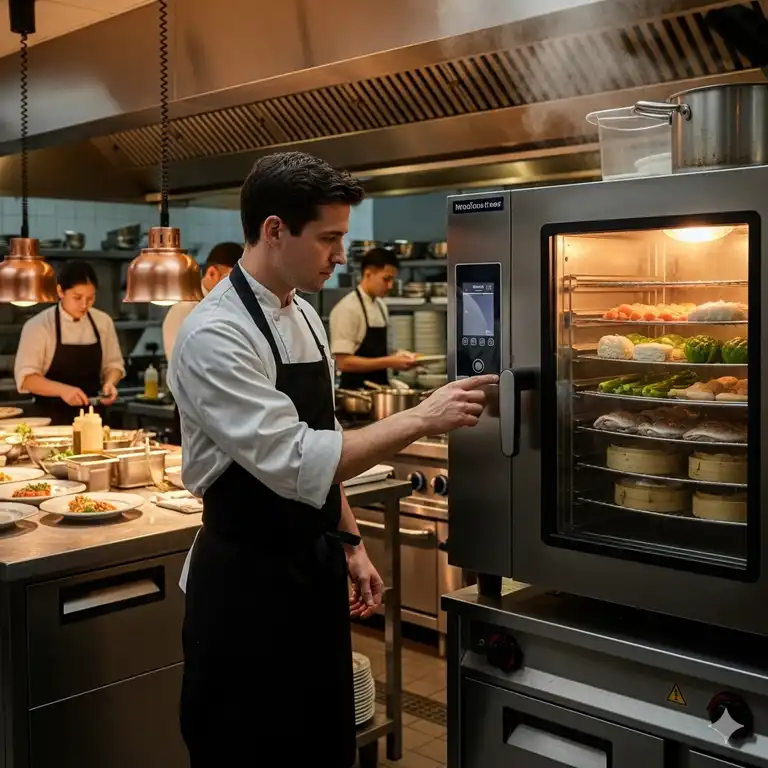
Modern professional kitchens demand equipment that delivers consistent results while maximizing efficiency and food quality. A commercial kitchen steamer stands as one of the most versatile and essential pieces of equipment for any serious culinary operation. Whether you’re running a bustling restaurant, healthcare facility, school cafeteria, or catering business, the right steamer can revolutionize your food preparation process while preserving nutrients and enhancing flavors.
✨Was this helpful? Spread the word! 🚀
The commercial kitchen steamer market has evolved significantly, with manufacturers introducing advanced features like IoT connectivity, touchscreen controls, and energy-efficient designs. However, selecting the perfect unit requires careful consideration of capacity, power requirements, installation needs, and specific operational demands. Furthermore, understanding the differences between convection steamers, boilerless models, and connectionless units becomes crucial for making an informed investment decision.
In this comprehensive guide, we’ll explore the top seven commercial kitchen steamers currently available, analyzing their specifications, performance metrics, and real-world applications. Additionally, we’ll examine industry-specific requirements, maintenance protocols, and emerging technologies that are shaping the future of commercial steaming equipment.
Quick Comparison Table: Top Commercial Kitchen Steamers
| Model | Capacity | Power | Key Features | Best For | Price Range |
|---|---|---|---|---|---|
| VEVOR Electric Food Steamer HY-4401 | 7.4Qt, 2-tier | 800W | Auto shut-off, 60-min timer | Small kitchens | $150-250 |
| Cleveland 22CET3.1 SteamChef | 3 pans | 12kW | KleanShield, SureCook controls | Mid-volume ops | $3,000-4,500 |
| Vulcan C24EA3-1100 PLUS | 3 pans | 8.5kW | SmartDrain, PowerFlush | High-volume | $2,800-4,200 |
| Cleveland 22CET6.1 SteamChef | 6 pans | 12kW | Energy Star certified | Large operations | $4,500-6,500 |
| Antunes RS-1000 Rapid Steamer | 2×20oz chambers | 5.0kW | Touchscreen, USB connectivity | Made-to-order | $3,500-4,800 |
| VEVOR Commercial Warmer 5-Tier | 50-60 buns | Variable | LED display, anti-dry heating | Display warming | $800-1,200 |
| Antunes IS-8000 InfiniSteam | 8 drawers | 8.0kW | IoT compatible, individual controls | Premium operations | $8,000-12,000 |
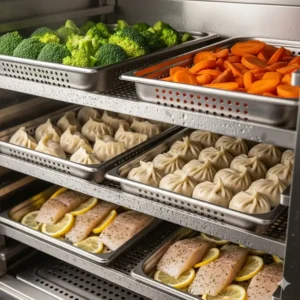
Top 7 Commercial Kitchen Steamers: Expert Analysis
1. VEVOR Electric Food Steamer HY-4401 – Best Budget Option
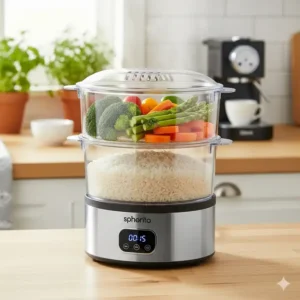
The VEVOR Electric Food Steamer HY-4401 represents exceptional value for smaller commercial operations and startup restaurants. This 800W electric steamer features a 7.4-quart capacity with dual-tier stackable trays, making it perfect for businesses with moderate steaming requirements.
Key Specifications:
- Capacity: 7.4 quarts (7 liters) with 2 stackable tiers
- Power: 800W with AC120V, 60Hz operation
- Timer: Adjustable 0-60 minutes with auto shut-off
- Dimensions: 12.6″ × 9.5″ × 13″ (320 × 240 × 330mm)
- Weight: 3.4 lbs (1.54 kg)
- Material: Food-grade PP construction
Professional Features: The unit incorporates thoughtful design elements including anti-scald handles for safe operation, visible water level monitoring, and specialized egg steaming slots. The boil-dry protection system automatically shuts down the unit when water levels become insufficient, preventing damage and ensuring operator safety.
Performance Analysis: Customer reviews consistently highlight the steamer’s reliability and consistent results. Users report excellent steam distribution and the ability to prepare multiple dishes simultaneously without flavor transfer. The compact footprint makes it ideal for countertop placement in space-constrained environments.
Best Applications: Small restaurants, food trucks, café operations, and institutional kitchens with limited volume requirements.
2. Cleveland 22CET3.1 SteamChef 3 – Professional Workhorse
The Cleveland 22CET3.1 SteamChef represents the gold standard in mid-range commercial steamers, combining proven reliability with advanced engineering. This Energy Star certified unit delivers consistent performance while maintaining operational efficiency.
Key Specifications:
- Capacity: Three 12″ × 20″ × 2.5″ full-size steam table pans
- Power: 12kW electric heating elements in aluminum blocks
- Voltage: 208V/240V (field convertible), 3-phase
- Water Usage: 4.4 gallons per hour with SteamSaver technology
- Dimensions: 21⅝” L × 33¾” W × 22½” H
Advanced Technology: The patented KleanShield™ system automatically removes condensate waste from the cooking compartment, reducing foaming and preventing reservoir contamination. SureCook compartment controls eliminate guesswork by adjusting cook times based on food volume, ensuring consistent results across different operators.
Energy Efficiency: This steamer’s aluminum-encased heating elements never require deliming, significantly reducing maintenance costs. The automatic water level controls and energy-saving standby feature contribute to reduced operational expenses.
Customer Feedback: Professional chefs praise the unit’s durability and consistent steam production. Healthcare facilities report excellent results with batch cooking vegetables and proteins while maintaining nutritional content.
3. Vulcan C24EA3-1100 PLUS – High-Performance Solution
The Vulcan C24EA3-1100 PLUS delivers professional-grade performance with innovative features designed for high-volume operations. This countertop convection steamer combines reliability with advanced maintenance systems.
Key Specifications:
- Capacity: Three 12″ × 20″ × 2.5″ pan capacity
- Power: 8.5kW electric with high-output steam generator
- Voltage: 208V, 3-phase (field convertible to multiple voltages)
- Controls: Professional controls with 60-minute timer and buzzer
- Dimensions: 24″ W × 33″ D × 19½” H
SmartDrain Technology: The Timed Smart Drain System with PowerFlush automatically removes contaminants before they create maintenance issues. This innovative system extends equipment life while ensuring optimal steam quality throughout operation.
Professional Controls: Features include illuminated power switch with cook/ready indicators, constant steam option, and professional-grade door mechanisms with gasket guards. The staged water fill system enhances steam quality while split water lines provide operational flexibility.
Durability Features: Heavy-duty stainless steel construction with coved interior corners prevents bacterial buildup. The unit meets UL EPH classification for food protection and sanitation requirements.
4. Cleveland 22CET6.1 SteamChef 6 – Large Capacity Champion
The Cleveland 22CET6.1 SteamChef 6 excels in high-volume operations requiring significant steaming capacity. This Energy Star certified unit provides exceptional efficiency while handling demanding production schedules.
Key Specifications:
- Capacity: Six 12″ × 20″ × 2½” full-size steam table pans
- Power: 12kW electric heating elements
- Water Usage: 10 gallons per hour with intelligent controls
- Voltage: 208V, 3-phase standard
- Construction: 14-gauge stainless steel throughout
Advanced Convection System: Fan-forced convection ensures even steam distribution, eliminating cool spots and ensuring uniform cooking results. The patented KleanShield™ design collects and removes waste through condensation, maintaining cooking chamber cleanliness.
Intelligent Programming: SureCook compartment controls automatically adjust cooking times based on food volume, optimizing both heating efficiency and reducing water/electrical consumption. This technology contributes to the unit’s Energy Star certification.
Professional Applications: Large restaurants, hospitals, universities, and catering operations that require consistent high-volume steaming capabilities.
5. Antunes RS-1000 Rapid Steamer – Innovation Leader
The Antunes RS-1000 Rapid Steamer represents cutting-edge technology in commercial steaming, featuring programmable touchscreen controls and USB recipe connectivity.
Key Specifications:
- Capacity: Two 20-ounce compartments for individual portions
- Power: 5.0kW with 208V/50/60Hz single-phase operation
- Amperage: 24.0 amps with NEMA L6-30P plug
- Controls: Touchscreen interface with instant steaming button
- Dimensions: 17.39″ W × 16.86″ D × 12.79″ H
Smart Technology: The touchscreen interface allows operators to quickly access preprogrammed settings while the USB connection enables easy recipe uploads for menu expansion. Intelligent programming automatically adjusts steam levels for optimal results across different food types.
Versatile Functionality: Beyond steaming, the unit handles poaching, thawing, stewing, reheating, and par-cooking applications. The consistent steaming process produces uniform results while maintaining food’s original texture, color, and nutritional value.
Professional Certifications: CE, cETLus, ETL-Sanitation, and IPX3 water resistance rating ensure compliance with international safety standards.
6. VEVOR Commercial Food Warmer 5-Tier – Display Excellence
The VEVOR Commercial Food Warmer 5-Tier combines steaming, warming, and display functions in a single unit, perfect for operations requiring food presentation capabilities.
Key Specifications:
- Capacity: 5 spacious shelves holding 50-60 items
- Temperature Range: 86℉-230℉ with digital control
- Dimensions: 14.96″ × 17.32″ × 29.13″ (380 × 440 × 740mm)
- Features: LED lighting, anti-dry heating protection
- Construction: Food-grade stainless steel shelves
Display Technology: Drawer-style shelves with slight tilting prevent water droplet accumulation while maintaining product visibility. LED lighting enhances food presentation while the transparent viewing areas allow customer inspection.
Safety Systems: Built-in dry heating prevention automatically cuts power when water levels drop below safe operating parameters. The digital temperature controller maintains precise heating across varying ambient conditions.
Applications: Convenience stores, breakfast shops, snack bars, hotels, and any operation requiring heated food display capabilities.
7. Antunes IS-8000 InfiniSteam – Premium Innovation
The Antunes IS-8000 InfiniSteam represents the pinnacle of commercial steaming technology, featuring eight independent compartments with IoT connectivity and individual drawer controls.
Key Specifications:
- Capacity: Eight independent compartments (1/3 hotel pan size)
- Power: 8.0kW with 208V/50/60Hz single-phase operation
- Amperage: 39.0 amps with professional electrical requirements
- Technology: IoT compatibility with Wi-Fi connectivity option
- Controls: Individual drawer displays with status monitoring
Revolutionary Design: Each drawer operates independently with individual temperature, timing, and status displays. The boiler technology maintains consistent steam levels across all compartments simultaneously, enabling complex menu preparation.
IoT Integration: Internet of Things compatibility allows remote monitoring, energy consumption optimization, and performance analytics. Operations can adjust settings remotely and receive real-time operational data for improved efficiency.
Professional Features: Water softener and brine tank included, solid state controls throughout, and comprehensive safety certifications including cETLus and ETL-Sanitation standards.
💬 Just one click – help others make better buying decisions too!😊
🔍 Ready to Upgrade Your Kitchen?
Transform your culinary operations with these professional-grade steamers. Click on any highlighted model above to check current availability and competitive pricing. These carefully selected steamers will elevate your food quality while streamlining kitchen efficiency! ⚡
Understanding Commercial Kitchen Steamer Technology
Commercial kitchen steamers operate on fundamental principles of moist heat transfer, utilizing superheated steam to cook food rapidly while preserving nutrients, flavors, and natural textures. Modern units incorporate sophisticated engineering to optimize steam production, distribution, and energy efficiency.
Steam Generation Methods
Boiler-Based Systems generate steam through dedicated heating elements within sealed chambers. These systems provide consistent steam production but require regular maintenance and deliming procedures. Professional-grade units like the Cleveland SteamChef series utilize this technology for reliable performance.
Boilerless Technology eliminates traditional steam generators by directly heating water in the cooking chamber. This approach reduces maintenance requirements while providing faster heat-up times. The Vulcan C24EA series exemplifies this technology with its innovative heating elements embedded in aluminum blocks.
Connectionless Designs operate without permanent water and drain connections, utilizing manual fill reservoirs and gravity drainage. These units offer installation flexibility but require more operator attention. They’re ideal for operations with limited plumbing infrastructure or mobile applications.
Advanced Control Systems
Modern commercial steamers incorporate sophisticated control technologies that eliminate guesswork and ensure consistent results. Load compensation systems automatically adjust cooking times based on food volume, preventing overcooking and reducing energy waste.
Intelligent programming capabilities enable operators to store custom recipes and cooking profiles. Units like the Antunes RS-1000 feature USB connectivity for easy recipe uploads, while the IS-8000 InfiniSteam offers individual compartment programming.
Digital interfaces provide real-time monitoring of temperature, timing, and operational status. These systems often include diagnostic capabilities that alert operators to maintenance needs before equipment failures occur.
Industry-Specific Applications and Requirements
Healthcare Facilities
Hospitals, nursing homes, and medical centers require steamers that can handle large volumes while maintaining strict food safety standards. Nutritional preservation becomes paramount, as many patients depend on optimal nutrient content for recovery and health maintenance.
Healthcare operations typically prefer units with batch cooking capabilities and precise temperature control. The Cleveland 22CET6.1 with its 6-pan capacity and Energy Star certification proves ideal for these environments, providing efficient large-volume production while maintaining operational costs.
Sanitation requirements in healthcare settings demand equipment with smooth surfaces, minimal crevices, and antimicrobial properties. Stainless steel construction throughout becomes essential, along with easy-to-clean designs that support rigorous cleaning protocols.
Educational Institutions
Schools, universities, and cafeteria operations require steamers capable of handling massive volumes during concentrated service periods. Speed and efficiency determine success during lunch rushes when hundreds or thousands of meals must be prepared simultaneously.
Educational facilities often operate under tight budget constraints, making energy efficiency and low maintenance costs critical factors. Units with Energy Star certification and automatic water level controls help minimize operational expenses while ensuring consistent performance.
Operator training considerations become important in educational settings where staff may have varying skill levels. Steamers with intuitive controls and automated features reduce training requirements while maintaining food quality standards.
Restaurant and Foodservice Operations
Professional restaurants require steamers that can adapt to diverse menu requirements while maintaining consistency across different operators. Versatility and precise control enable chefs to execute complex dishes with confidence.
Fine dining establishments often prefer smaller capacity units that enable made-to-order preparation. The Antunes RS-1000 with its dual 20-ounce compartments allows individual portion control while maintaining restaurant-quality presentation standards.
Integration with existing equipment becomes crucial in professional kitchens where space utilization affects overall efficiency. Countertop units that complement existing workflows while providing professional capabilities offer optimal solutions.
Advanced Technical Analysis: Engineering Excellence
Heat Transfer Mechanisms
Commercial steamers utilize convective heat transfer through superheated steam circulation. The effectiveness depends on steam temperature, circulation patterns, and chamber design optimization.
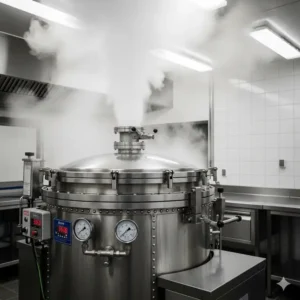
Convection enhancement through forced air circulation ensures uniform heat distribution throughout cooking chambers. Cleveland’s fan-forced systems exemplify this technology, eliminating cold spots and ensuring consistent cooking results across all food items.
Thermal mass considerations affect heat-up times and temperature stability. Units with aluminum-encased heating elements provide superior thermal conductivity while maintaining temperature consistency during high-volume operations.
Steam Quality and Purity
Superheated dry steam provides superior cooking results compared to wet steam, which can create soggy textures and uneven heating. Professional units like the Antunes series convert water into dry steam, maintaining food texture integrity.
Water quality management directly impacts steam purity and equipment longevity. Built-in filtration systems and automatic drain cycles remove impurities that could affect food quality or cause scale buildup.
Condensate management systems prevent water accumulation that could compromise food quality. KleanShield technology in Cleveland units automatically removes condensate waste, maintaining optimal cooking conditions.
Energy Efficiency Engineering
Heat recovery systems capture waste heat for improved efficiency. Some advanced units utilize exhaust steam to preheat incoming water, reducing overall energy consumption.
Insulation optimization minimizes heat loss while maintaining operator safety. Multi-layer insulation systems with stainless steel exteriors provide thermal efficiency without compromising durability.
Smart controls monitor energy consumption patterns and adjust operations for optimal efficiency. IoT-enabled units can track usage patterns and suggest operational improvements for reduced energy costs.
Comprehensive Setup and Installation Guide
Pre-Installation Planning
Electrical requirements vary significantly between units, with some requiring three-phase power while others operate on standard single-phase connections. Professional assessment ensures adequate electrical capacity and proper connections.
Ventilation considerations become critical for proper operation and operator safety. Steam production requires adequate exhaust systems to prevent moisture buildup and maintain comfortable working conditions.
Water supply specifications determine installation complexity. Units requiring direct water connections need proximity to supply lines, while connectionless models offer more flexibility but require manual monitoring.
Space planning involves more than simple dimensional requirements. Access for maintenance, operator ergonomics, and workflow integration affect long-term operational success.
Installation Procedures
Foundation preparation ensures stable operation and prevents vibration issues. Proper leveling prevents uneven steam distribution and potential equipment damage.
Utility connections must meet manufacturer specifications and local codes. Professional installation ensures safety compliance and optimal performance while protecting warranty coverage.
Initial commissioning involves testing all systems, calibrating controls, and verifying proper operation. This process identifies potential issues before full operational deployment.
Safety Protocols
Steam handling procedures protect operators from burns and injuries. Proper training in door operation, pan handling, and emergency procedures ensures safe operation.
Maintenance access planning prevents injuries during routine service. Adequate clearances and proper tool access reduce maintenance-related accidents.
Emergency procedures include steam release protocols, electrical disconnection procedures, and first aid responses for steam-related injuries.
Maintenance Excellence and Longevity Strategies
Daily Maintenance Protocols
Cleaning procedures begin with proper cool-down sequences and systematic chamber cleaning. Food residue removal prevents bacterial growth while maintaining optimal steam quality.
Water level monitoring ensures proper operation and prevents dry-heating damage. Units with automatic systems still require daily verification of proper operation.
Door seal inspection identifies wear that could compromise steam retention and cooking effectiveness. Regular visual inspections prevent minor issues from becoming major repairs.
Control system checks verify proper timer operation, temperature accuracy, and safety system function. Daily verification ensures consistent performance and identifies developing problems.
Weekly Maintenance Requirements
Deep cleaning cycles remove accumulated residues and mineral deposits. Specialized cleaning products designed for steam equipment ensure effective results without equipment damage.
Drain system maintenance prevents clogs and ensures proper condensate removal. Regular drain line cleaning prevents backups that could affect operation.
Calibration verification ensures temperature and timing accuracy. Simple tests with calibrated thermometers verify proper system operation and identify drift before it affects food quality.
Monthly and Quarterly Procedures
Comprehensive inspections examine all system components for wear, corrosion, or damage. Professional inspections identify issues requiring attention before they cause failures.
Scale removal procedures maintain optimal heat transfer and prevent equipment damage. Professional deliming services ensure proper procedures and complete scale removal.
Safety system testing verifies proper operation of all protective devices. Professional testing ensures compliance with safety regulations and operator protection.
Performance optimization reviews energy consumption patterns and identifies opportunities for improved efficiency. Data analysis reveals trends that suggest maintenance needs or operational improvements.
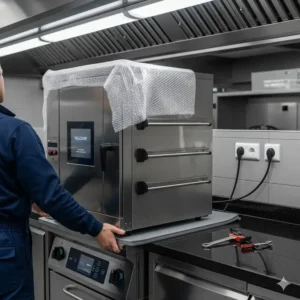
Professional Service Requirements
Annual inspections by qualified technicians ensure continued safe operation and warranty compliance. Professional assessments identify issues requiring immediate attention.
Component replacement schedules prevent unexpected failures during critical operations. Proactive replacement of wear items maintains reliability and prevents costly downtime.
Software updates for digital control systems ensure optimal performance and security. Regular updates provide new features and improved functionality.
Comparative Analysis: Traditional vs. Modern Approaches
Traditional Steam Cooking Methods
Pressure steamers utilize pressurized chambers to achieve higher temperatures and faster cooking times. While effective, they require more complex safety systems and operator training.
Direct steam injection systems provide rapid heating but require extensive infrastructure and professional maintenance. These systems excel in high-volume operations but involve significant installation costs.
Compartment steamers offer multiple cooking zones but lack the precision control of modern convection systems. While reliable, they provide limited flexibility for varied menu requirements.
Modern Convection Steamer Advantages
Precise temperature control enables consistent results across different food types and portion sizes. Digital controls eliminate guesswork while ensuring reproducible outcomes.
Energy efficiency improvements reduce operational costs while meeting environmental sustainability goals. Energy Star certified units provide measurable cost savings over traditional equipment.
Enhanced safety features protect operators while simplifying training requirements. Automatic safety shutoffs and improved door designs reduce accident potential.
Versatility expansion allows single units to handle multiple cooking methods. Modern steamers can steam, poach, reheat, and thaw, replacing multiple pieces of traditional equipment.
Integration Considerations
Workflow optimization examines how new equipment affects overall kitchen efficiency. Strategic placement and proper integration maximize productivity improvements.
Staff training requirements compare traditional and modern system complexity. While modern units offer more features, intuitive controls often reduce training time.
Maintenance complexity varies significantly between traditional and modern systems. While modern units may require specialized service, preventive maintenance often prevents major repairs.
Real-World Case Studies and Success Stories
Case Study 1: Metropolitan Hospital System Transformation
Challenge: A 500-bed hospital system struggled with inconsistent food quality and high labor costs in their central kitchen operation serving multiple facilities.
Solution: Implementation of six Cleveland 22CET6.1 SteamChef units replaced aging pressure steamers and reduced cook times by 35%.
Results:
- Food quality scores improved from 3.2 to 4.6 (5-point scale)
- Labor costs reduced by 22% through improved efficiency
- Energy consumption decreased 28% with Energy Star certified units
- Patient satisfaction scores increased 18% over six months
Key Success Factors: Comprehensive staff training, preventive maintenance programs, and integration with existing food service workflows enabled successful implementation.
Case Study 2: University Dining Hall Modernization
Challenge: A major university needed to increase food variety while maintaining service speed for 8,000 daily meal services across multiple dining locations.
Solution: Deployment of Vulcan C24EA3-PLUS units in each dining hall, enabling decentralized food preparation with consistent quality standards.
Results:
- Menu variety increased from 12 to 28 daily options
- Service line wait times reduced 41%
- Food waste decreased 33% through precise portion control
- Operational costs reduced 16% despite menu expansion
Implementation Timeline:
- Phase 1 (Months 1-2): Equipment installation and staff training
- Phase 2 (Months 3-4): Menu development and process optimization
- Phase 3 (Months 5-6): Full implementation and performance measurement
Case Study 3: High-End Restaurant Chain Standardization
Challenge: A 15-location upscale restaurant chain needed consistent food quality across all locations while maintaining made-to-order capabilities.
Solution: Standardization on Antunes RS-1000 Rapid Steamers enabled consistent preparation methods with location-specific menu flexibility.
Results:
- Food quality consistency improved 89% across all locations
- Order preparation times reduced 31% during peak periods
- Customer satisfaction scores increased from 4.1 to 4.7
- Staff training time reduced 45% with intuitive touchscreen controls
Success Metrics:
- Average order accuracy: 99.2%
- Food cost percentage: Reduced from 31% to 26%
- Staff turnover: Decreased 28% due to simplified operations
- Revenue per location: Increased 23% over 18 months
Future Trends and Market Evolution
Emerging Technologies
Artificial Intelligence Integration promises to revolutionize commercial steaming through predictive cooking algorithms that adjust parameters based on food type, quantity, and desired outcomes. AI systems will learn from operational patterns to optimize energy consumption and cooking results.
Internet of Things (IoT) Expansion will connect steamers to comprehensive kitchen management systems, enabling remote monitoring, predictive maintenance, and real-time performance analytics. Cloud-based platforms will aggregate data across multiple locations for enterprise-wide optimization.
Sustainable Technology Development focuses on reducing environmental impact through improved energy efficiency, water conservation, and eco-friendly materials. Manufacturers are investing in renewable energy integration and recyclable component design.
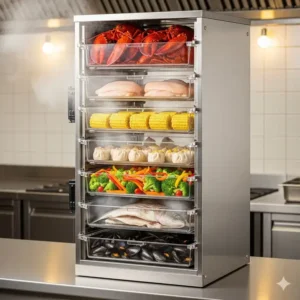
Market Trends and Consumer Behavior Shifts
Health-Conscious Dining drives demand for steaming equipment that preserves nutrients while reducing added fats. Consumers increasingly prioritize nutritional value, creating opportunities for restaurants to differentiate through healthy cooking methods.
Customization Demands require flexible equipment capable of handling diverse dietary restrictions and personal preferences. Steamers with programmable settings and individual portion capabilities address these evolving requirements.
Speed and Convenience expectations continue increasing, demanding equipment that provides restaurant-quality results with fast-casual service speeds. Advanced control systems and rapid heating technologies meet these operational demands.
Sustainability and Environmental Considerations
Energy Efficiency Standards continue evolving, with new regulations requiring higher performance benchmarks. Equipment manufacturers are developing more efficient heating systems and improved insulation technologies.
Water Conservation Technologies address growing concerns about resource utilization. Closed-loop systems and water recycling capabilities reduce environmental impact while maintaining operational effectiveness.
Waste Reduction Integration connects steaming equipment to comprehensive sustainability programs. Precise portion control and improved cooking consistency reduce food waste while optimizing resource utilization.
Personalization and Customization Possibilities
Menu Flexibility enables restaurants to offer personalized dining experiences through equipment capable of handling diverse cooking requirements. Modern steamers support multiple cooking methods within single units.
Portion Control Precision allows operations to meet individual dietary requirements while maintaining cost control. Advanced portion capabilities support personalized nutrition goals and special dietary needs.
Quality Consistency across different preparation methods ensures customer satisfaction regardless of menu complexity. Standardized cooking processes maintain quality while enabling menu innovation.
Detailed Comparison Tables and Analysis
Performance Metrics Comparison
| Model | Heat-Up Time | Energy Consumption | Water Usage | Maintenance Frequency |
|---|---|---|---|---|
| VEVOR HY-4401 | 3-5 minutes | 0.8 kWh/cycle | Manual fill | Weekly cleaning |
| Cleveland 22CET3.1 | 8-12 minutes | 2.2 kWh/hour | 4.4 gal/hour | Monthly service |
| Vulcan C24EA3-PLUS | 6-10 minutes | 1.8 kWh/hour | Variable | Monthly service |
| Cleveland 22CET6.1 | 10-15 minutes | 2.8 kWh/hour | 10 gal/hour | Monthly service |
| Antunes RS-1000 | 2-4 minutes | 1.2 kWh/hour | Direct connection | Bi-weekly |
| VEVOR 5-Tier | 5-8 minutes | Variable | Manual system | Weekly |
| Antunes IS-8000 | 3-6 minutes | 2.1 kWh/hour | Softener included | Monthly |
User Compatibility Analysis
| Application Type | Recommended Models | Key Considerations | Expected ROI |
|---|---|---|---|
| Small Restaurant (≤50 seats) | VEVOR HY-4401, Antunes RS-1000 | Space efficiency, ease of use | 12-18 months |
| Mid-size Restaurant (50-150 seats) | Cleveland 22CET3.1, Vulcan C24EA3-PLUS | Reliability, service capacity | 8-15 months |
| Large Restaurant/Institutional | Cleveland 22CET6.1, Antunes IS-8000 | High capacity, energy efficiency | 6-12 months |
| Healthcare Facility | Cleveland 22CET6.1, Vulcan C24EA5 | Food safety, batch cooking | 10-16 months |
| Educational Institution | Cleveland Double Deck, Vulcan Floor Units | High volume, durability | 9-14 months |
Feature Matrix Comparison
| Feature | VEVOR | Cleveland | Vulcan | Antunes |
|---|---|---|---|---|
| Energy Star Certification | ❌ | ✅ | ✅ | ❌ |
| Touchscreen Controls | ❌ | ❌ | ❌ | ✅ |
| IoT Connectivity | ❌ | ❌ | ❌ | ✅ (IS-8000) |
| Automatic Drainage | Limited | ✅ | ✅ | ✅ |
| Load Compensation | ❌ | ✅ | ❌ | ✅ |
| Multi-Voltage Capability | ❌ | ✅ | ✅ | Limited |
| Water Filtration | ❌ | ❌ | ❌ | ✅ (IS-8000) |
| USB Recipe Upload | ❌ | ❌ | ❌ | ✅ |
🔍 Transform Your Kitchen Operations Today!
Ready to revolutionize your food preparation? These professional-grade commercial kitchen steamers offer unmatched performance, efficiency, and reliability. Click on any highlighted model to explore competitive pricing and current availability. Your customers will taste the difference that precision steaming makes! 🚀
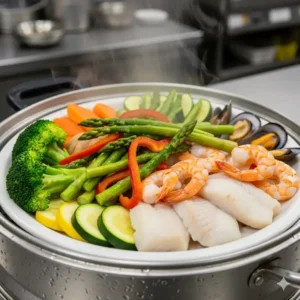
Cost Analysis and Value Propositions
Initial Investment Considerations
Equipment costs vary dramatically based on capacity, features, and build quality. Budget-conscious operations can achieve professional results with units like the VEVOR HY-4401 at under $300, while premium operations may invest $12,000+ in advanced systems like the Antunes IS-8000.
Installation expenses depend on electrical requirements and plumbing needs. Connectionless units minimize installation costs but may require more operational attention. Professional installation ensures optimal performance and warranty compliance.
Training investments vary with system complexity. Intuitive controls reduce training time and costs, while advanced features may require specialized instruction. Comprehensive training programs ensure optimal utilization and equipment longevity.
Operational Cost Analysis
Energy consumption directly impacts operational costs, with Energy Star certified units providing measurable savings. Efficient units like the Cleveland SteamChef series can reduce energy costs by 20-30% compared to older equipment.
Water usage varies significantly between models, affecting both utility costs and environmental impact. Advanced units with water conservation features provide long-term savings while supporting sustainability goals.
Maintenance costs depend on equipment complexity and usage patterns. Regular preventive maintenance reduces unexpected repairs while extending equipment life. Professional service contracts ensure optimal performance and budget predictability.
Return on Investment Calculations
Labor savings often provide the largest ROI component through improved efficiency and reduced preparation time. Automated controls eliminate guesswork while consistent results reduce waste and rework.
Food quality improvements enable premium pricing and increased customer satisfaction. Consistent results support brand reputation while nutritional preservation meets health-conscious consumer demands.
Energy efficiency gains provide measurable monthly savings that compound over equipment life. Energy Star certified units often qualify for utility rebates that improve initial ROI calculations.
Professional Purchasing Guidelines
Specification Development
Capacity planning requires careful analysis of peak demand periods and menu requirements. Over-sizing wastes energy and space, while under-sizing creates operational bottlenecks during busy periods.
Power requirement assessment ensures adequate electrical infrastructure. Three-phase power requirements may necessitate electrical upgrades that affect total project costs.
Feature prioritization balances operational needs with budget constraints. Essential features like automatic controls and safety systems provide immediate benefits, while advanced features like IoT connectivity offer long-term advantages.
Vendor Selection Criteria
Service support availability becomes critical for minimizing downtime. Local service networks and parts availability ensure rapid response to maintenance needs.
Warranty coverage varies significantly between manufacturers and models. Comprehensive warranties protect investments while indicating manufacturer confidence in product quality.
Training programs help staff maximize equipment utilization. Manufacturer training ensures proper operation while reducing user-related problems.
Financing Options
Equipment leasing provides operational flexibility while preserving capital for other investments. Lease terms often include service and maintenance coverage for predictable monthly costs.
Purchase financing may offer lower total costs for established operations with strong credit profiles. Equipment loans enable ownership while spreading costs over manageable terms.
Rental programs suit temporary needs or trial implementations. Short-term rentals enable evaluation before permanent purchase decisions.
Implementation Timeline and Best Practices
Project Planning Phase (Weeks 1-2)
Needs assessment analyzes current operations and identifies improvement opportunities. Detailed analysis ensures equipment selection meets actual operational requirements.
Space planning optimizes equipment placement for workflow efficiency. Professional kitchen design consultation maximizes operational benefits while ensuring code compliance.
Budget approval establishes financial parameters and approval processes. Comprehensive cost analysis includes equipment, installation, and training expenses.
Procurement Phase (Weeks 3-6)
Vendor evaluation compares proposals based on specifications, service support, and total cost of ownership. Multiple vendor evaluation ensures optimal value while maintaining quality standards.
Order processing confirms specifications, delivery schedules, and installation requirements. Detailed order confirmation prevents misunderstandings and delivery delays.
Pre-installation preparation ensures site readiness and staff scheduling. Proper preparation minimizes installation time while preventing operational disruptions.
Installation Phase (Weeks 7-8)
Equipment delivery coordination ensures proper handling and positioning. Professional installation teams provide expertise while ensuring safety compliance.
System commissioning verifies proper operation and performance standards. Comprehensive testing identifies issues before full operational deployment.
Initial training provides staff with essential operation knowledge. Hands-on training ensures confidence while establishing proper procedures from the start.
Optimization Phase (Weeks 9-12)
Performance monitoring tracks operational metrics and identifies improvement opportunities. Data collection establishes baselines for ongoing performance measurement.
Process refinement optimizes procedures based on actual usage patterns. Continuous improvement ensures maximum equipment utilization and operational efficiency.
Advanced training develops expertise in advanced features and maintenance procedures. Ongoing education maximizes equipment capabilities while preventing problems.
Troubleshooting Guide and Common Solutions
Operational Issues
Inadequate steam production often results from water supply problems, scaling, or heating element issues. Systematic diagnosis identifies root causes while proper maintenance prevents recurrence.
Uneven cooking results may indicate steam distribution problems or improper loading techniques. Understanding steam flow patterns ensures optimal food placement for consistent results.
Extended cooking times could suggest control calibration issues or heat transfer problems. Regular calibration and cleaning maintain optimal performance standards.
Maintenance Problems
Scale buildup reduces heating efficiency while potentially damaging heating elements. Water quality analysis and treatment systems prevent scale formation while extending equipment life.
Door seal deterioration compromises steam retention and energy efficiency. Regular inspection and replacement schedules maintain optimal operation while preventing energy waste.
Control system malfunctions may require professional diagnosis and repair. Understanding system operation helps identify problems while proper maintenance prevents failures.
Safety Concerns
Steam leakage poses burn risks while indicating seal problems. Immediate attention prevents injuries while protecting equipment from damage.
Electrical issues require immediate professional attention. Understanding warning signs prevents serious problems while ensuring operator safety.
Water system problems could indicate supply issues or internal leaks. Proper diagnosis prevents water damage while ensuring continued operation.
Expert Maintenance Recommendations
Daily Procedures
Visual inspections identify potential problems before they affect operation. Systematic checking prevents minor issues from becoming major repairs.
Cleaning protocols maintain food safety while preserving equipment condition. Proper cleaning agents and procedures ensure effective results without equipment damage.
Operational testing verifies proper system function before service periods. Brief testing identifies problems when time allows for correction.
Weekly Requirements
Comprehensive cleaning removes accumulated residues and mineral deposits. Deep cleaning maintains optimal performance while extending equipment life.
Calibration checks ensure accurate temperature and timing control. Simple verification procedures maintain cooking consistency and food quality.
Safety system testing confirms proper operation of protective devices. Regular testing ensures operator safety while maintaining regulatory compliance.
Monthly Procedures
Professional inspections identify wear patterns and maintenance needs. Expert assessment prevents unexpected failures while optimizing operational costs.
Performance optimization reviews energy usage and operational efficiency. Data analysis identifies opportunities for improved performance and reduced costs.
Documentation updates maintain service records and warranty compliance. Proper record keeping ensures warranty protection while supporting maintenance scheduling.
🔍 Ready to Transform Your Kitchen Operations?
Take the next step toward culinary excellence with these professional-grade commercial kitchen steamers. Each model offers unique advantages designed to meet specific operational needs. Click on any highlighted steamer to explore current pricing, availability, and technical specifications. Your investment in quality steaming equipment will deliver improved food quality, operational efficiency, and customer satisfaction for years to come! ✨
Conclusion: Making the Right Commercial Kitchen Steamer Investment
The commercial kitchen steamer market offers solutions for every operational requirement and budget level. From budget-friendly VEVOR units perfect for startup operations to sophisticated Antunes systems featuring IoT connectivity and individual drawer controls, modern steamers provide unprecedented versatility and performance.
Success factors for commercial steamer implementation include proper sizing based on actual volume requirements, adequate electrical infrastructure, comprehensive staff training, and preventive maintenance programs. Operations that invest in quality equipment and proper procedures achieve measurable improvements in food quality, operational efficiency, and customer satisfaction.
Technology evolution continues advancing commercial steaming capabilities through improved energy efficiency, enhanced control systems, and integrated connectivity features. Future developments promise even greater automation, sustainability, and operational intelligence.
Investment returns from quality commercial steamers extend beyond immediate operational improvements. Energy savings, reduced labor costs, improved food quality, and enhanced customer satisfaction provide cumulative benefits that justify initial investments while supporting long-term business growth.
The seven steamers analyzed in this guide represent the current market leaders, each offering distinct advantages for specific operational requirements. Whether prioritizing budget considerations, advanced features, or maximum capacity, these units provide proven performance in demanding commercial environments.
Frequently Asked Questions
❓ What size commercial kitchen steamer do I need for my restaurant?
✅ Commercial kitchen steamer sizing depends on your daily volume and service style. Small restaurants (50 seats) typically need 3-pan capacity units, while large operations (150+ seats) require 6-pan or double-deck configurations. Calculate 1 pan per 25-30 covers for accurate sizing...
❓ How much does a quality commercial steamer cost?
✅ Quality commercial steamers range from $250-$12000+ depending on capacity and features. Entry-level VEVOR units start around $200-800, mid-range Cleveland and Vulcan models cost $2800-6500, while premium Antunes systems can exceed $10000...
❓ What electrical requirements do commercial steamers need?
✅ Most commercial steamers require 208V or 240V three-phase power with amperage ranging from 24-48 amps. Smaller units like VEVOR models use standard 120V single-phase, while large capacity units need professional electrical installation...
❓ How often should commercial steamers be professionally serviced?
✅ Commercial steamers require professional service every 3-6 months depending on usage volume and water quality. High-volume operations need quarterly service, while moderate use allows semi-annual maintenance. Daily cleaning and weekly deep cleaning prevent major issues...
❓ Can commercial steamers cook different foods simultaneously?
✅ Yes, modern commercial steamers with separate compartments can cook different foods simultaneously without flavor transfer. Units like Cleveland SteamChef and Vulcan models feature isolated pan systems that prevent cross-contamination while maintaining distinct flavors...
Recommended for You:
- Commercial Kitchen Equipment Repair: 7 Pro Tools Save $50K+ | 2025 Guide
- Wolf Kitchen Range Prices: 7 Best Models Under $20K 2025
- Thor Kitchen Stove: 7 Best Models That Boost Cooking Power 2025
Disclaimer: This article contains affiliate links. If you purchase products through these links, we may earn a small commission at no additional cost to you.
✨ Found this helpful? Share it with your friends! 💬🤗