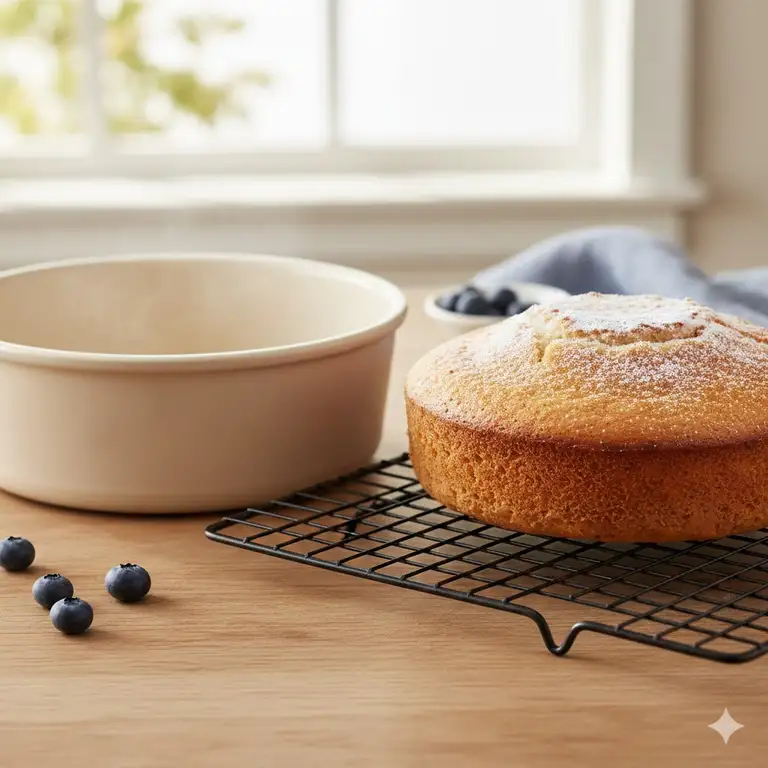
Let’s be totally honest: I love cake. You love cake. But lately, there’s been a little voice in the back of my mind—and I bet it’s in yours too—wondering about the tools we use to bake these delicious masterpieces. When we talk about healthy eating, we often focus intensely on the ingredients, right? Organic flour, free-range eggs, maybe swapping sugar for a natural alternative. However, we often completely overlook the vessel where the magic happens: the humble non toxic cake pan.
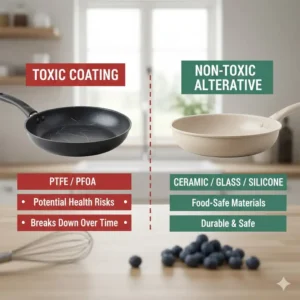
The reality is, the standard non-stick pans we grew up with often rely on chemical coatings like PTFE (Teflon) and PFOA. While these chemicals have made our lives easier for decades, health concerns about their degradation at high temperatures have fueled a major shift in the kitchenware world. We’re all looking for something better, something safer.
✨Was this helpful? Spread the word! 🚀
The quest for a truly non toxic cake pan is not just a passing trend; it’s a fundamental move towards cleaner, safer baking. Think of it as upgrading your kitchen’s health profile without sacrificing your love for a perfectly risen sponge or a flawless bundt. This comprehensive guide, informed by extensive research and real-world product analysis, is designed to cut through the marketing jargon and give you the clear, expert advice you need. We’ll dive deep into materials, compare the top options on the market, and help you find the perfect non toxic cake pan for your specific baking needs, whether you’re searching for a simple 9-inch round or the perfect non toxic springform pan for a cheesecake that dreams are made of.
🧪 Understanding the “Toxic” in Traditional Pans
Before we get to the good stuff—the actual recommended products—it’s crucial to understand why we are making this switch. Why the big push against traditional non-stick? The primary culprit is a family of chemicals known as Per- and Polyfluoroalkyl Substances (PFAS).
-
PTFE (Polytetrafluoroethylene): This is the chemical compound that most people know as Teflon. It provides that incredible slipperiness, making cake release a breeze. However, when pans coated with PTFE are heated past approximately 500°F (260°C), which can easily happen if a pan is left empty on a burner or used in a high-temperature oven for prolonged periods, the coating can begin to degrade. This degradation releases potentially harmful fumes. Although it’s generally safe when used below this threshold, the risk of accidental overheating is real.
-
PFOA (Perfluorooctanoic Acid): This was historically used in the manufacturing process of many non-stick coatings, though major manufacturers have now largely phased it out due to serious health and environmental concerns. The presence of PFOA in older pans is a key reason many home cooks are opting to completely replace their old bakeware.
This is why, as experts, we strongly advocate for materials that are naturally non-stick or chemically inert at baking temperatures. This focus on non toxic cake pan materials ensures that your delicious creations remain pure and contaminant-free.
🔍 Quick Comparison: Non-Toxic Pan Materials vs. Traditional Coatings
| Pan Material | Key Non-Toxic Benefit | Typical Heat Tolerance | Non-Stick Performance | Maintenance/Durability |
| Cast Iron | Pure iron, no chemicals. | Extremely High (600°F+) | Excellent (with proper seasoning) | High: Requires seasoning, very durable. |
| Ceramic Coated (Non-PFAS) | Mineral-based, often PTFE- and PFOA-free. | Medium-High (450°F-550°F) | Very Good (Initially) | Medium: Durable, but can scratch/chip. |
| Glass/Pyrex | Non-porous, chemically inert silica. | High (450°F-500°F) | Low: Requires greasing/parchment. | Medium: Can shatter if thermally shocked. |
| Silicone (Baking Grade) | Flexible, food-safe polymer. | Medium (400°F-425°F) | Excellent: Naturally flexible release. | Low: Can warp over time, must be high-grade. |
| Stainless Steel | Non-reactive, iron/chromium alloy. | Extremely High (600°F+) | Low: Requires heavy greasing. | High: Extremely durable, easy to clean. |
| Traditional Non-Stick (PFAS) | Chemical coating that offers easy release. | Medium (Up to 500°F/260°C) | Excellent (Unmatched slipperiness) | Low: Prone to scratching, coating failure. |
As you can see, every alternative to traditional coatings comes with a different set of trade-offs. The key is finding the right balance of heat tolerance, release properties, and material purity that fits your baking style.
🥇 Top 7 non toxic cake pan & Bakeware Expert Analysis from Amazon
Choosing the right pan can feel like a labyrinth, but I’ve done the heavy lifting for you. After researching countless options available in the US market, I’ve identified 7 real, high-quality products that embody the best of non-toxic baking. These are the frontrunners for your kitchen upgrade, including options for a great best non toxic muffin pan and even a sturdy non toxic bread pan.
1. USA Pan Bakeware Round Cake Pan, 9-Inch
-
Detailed Technical Specifications: Made from Aluminized Steel (20-26 gauge). Features a unique, corrugated surface design for enhanced air circulation, which promotes even baking and increased pan strength. Coated with AMERICOAT, a proprietary, non-stick silicone coating that is PTFE, PFOA, and BPA free. Has folded corners for added strength and a steel wire in the rim for resistance to warping. Dimensions: 9 inches diameter x 2.25 inches depth.
-
Customer Review Analysis: Customers consistently rave about the exceptional heat distribution and the superior cake-release achieved with the AMERICOAT silicone finish. Many reviewers note that even sticky recipes detach cleanly. A few reports mention minor discoloration over long-term use, but this does not affect performance.
-
Pros/Cons Analysis:
-
Pros: Superior heat distribution due to aluminized steel; corrugated design minimizes surface contact, improving airflow and release; excellent longevity; non toxic cake pan coating (silicone).
-
Cons: Not safe for use above 450°F (232°C); requires gentle cleaning (no abrasive sponges).
-
-
Professional Applications: Highly favored in commercial bakeries and by professional pastry chefs for its consistency and durability in high-volume production.
-
Warranty Information: Limited lifetime warranty against manufacturing defects.
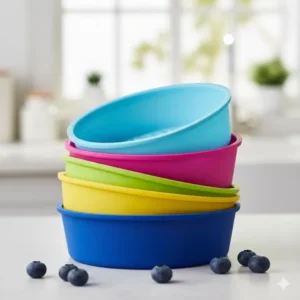
2. GreenLife Ceramic Nonstick Muffin Pan, 12-Cup
-
Detailed Technical Specifications: Constructed from heavy-duty steel for quick and even heating. Features a THERMOLON healthy ceramic non-stick coating. This coating is derived from sand, and is free of PFAS, PFOA, lead, and cadmium. Designed specifically as a best non toxic muffin pan. Dimensions: 13.7 inches x 10.7 inches x 1.3 inches. Oven safe up to 450°F (232°C).
-
Customer Review Analysis: Reviewers love the vibrant color options and the immediate, effective non-stick performance. They frequently praise it as a true non toxic choice. The main drawback cited is that the non-stick properties can diminish slightly over time, particularly if users don’t follow the low-heat and oil-free recommendation.
-
Pros/Cons Analysis:
-
Pros: Excellent initial non-stick release; truly free of PFAS/PFOA; an affordable best non toxic muffin pan option; very easy to wipe clean.
-
Cons: Ceramic non-stick durability is generally lower than silicone or seasoned cast iron; not safe for use with metal utensils.
-
-
Professional Applications: Ideal for home-based specialty bakers who prioritize health and bright aesthetics, especially for cupcakes and muffins.
-
Warranty Information: Limited lifetime warranty.
3. Lodge Seasoned Cast Iron Round Cake Pan, 9-Inch
-
Detailed Technical Specifications: Made of 100% cast iron, pre-seasoned with 100% natural vegetable oil for a natural, easy-release finish that improves with use. This is the ultimate chemical-free, non toxic cake pan option. Can be used on the stovetop, in the oven, or over a campfire. Model: CRS9. Dimensions: 9 inches diameter.
-
Customer Review Analysis: Users appreciate the legendary durability of Lodge and the fact that the pan is essentially indestructible. The key to success, as noted by reviewers, is consistent seasoning. If you’re looking for a non toxic bread pan that retains heat like a furnace, this is an excellent choice too. Some novice bakers find the initial seasoning process a bit challenging.
-
Pros/Cons Analysis:
-
Pros: Absolutely zero synthetic coatings; becomes naturally non-stick over time; unparalleled heat retention; extremely durable; suitable for extremely high oven temperatures.
-
Cons: Heavy weight; requires ongoing maintenance (seasoning); not dishwasher safe; can impart a metallic taste if not properly seasoned.
-
-
Professional Applications: Used by chefs who demand extreme heat retention for deep-dish items or crust development, and those who require bakeware that can transition between stovetop and oven.
-
Warranty Information: Lifetime warranty.
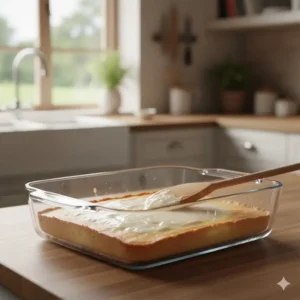
4. Pyrex Basics Clear Glass Baking Dish, 8-Inch Square
-
Detailed Technical Specifications: Made from non-porous glass that won’t absorb food odors, stains, or flavors. Glass is naturally non-toxic and inert. Safe for preheated oven, microwave, freezer, and dishwasher. Model: 1107954. Dimensions: 8 inches x 8 inches x 2 inches.
-
Customer Review Analysis: Pyrex is a household name, and users value its transparency for monitoring browning and doneness. It’s often cited as a great secondary option for non toxic bread pan alternatives, especially for quick breads. The main complaint is the poor non-stick quality, requiring heavy greasing and flouring, or parchment paper.
-
Pros/Cons Analysis:
-
Pros: Truly inert and non-toxic; retains heat well; easy to monitor baking process; dishwasher safe.
-
Cons: Poor cake release (requires preparation); sensitive to extreme temperature changes (thermal shock); slower to heat up than metal pans.
-
-
Professional Applications: Frequently used in culinary schools and research kitchens for its non-reactive properties and visual control over the baking process.
-
Warranty Information: 2-year limited warranty against chipping or breakage.
5. Fat Daddio’s ProSeries Anodized Aluminum Round Cake Pan, 8 x 3 Inch
-
Detailed Technical Specifications: Made from 14-gauge anodized aluminum. The anodizing process creates a non-reactive surface that seals the aluminum, preventing leaching and making it an excellent non toxic cake pan material. Heats up quickly and cools down fast, which is critical for preventing over-browning. Seamless, straight-sided design. Model: POB-83. Dimensions: 8 inches diameter x 3 inches depth.
-
Customer Review Analysis: This brand is extremely popular with professional bakers and advanced hobbyists. They praise the absolutely even baking results—no doming or burnt edges. It is often necessary to use parchment paper or oil and flour, as it is not non-stick.
-
Pros/Cons Analysis:
-
Pros: Exceptional heat consistency (prevents hot spots); non-reactive anodized finish; professional-grade depth; very lightweight.
-
Cons: Not non-stick; requires careful preparation before baking; hand wash only.
-
-
Professional Applications: The go-to pan for high-end wedding and tiered cake specialists because the straight sides and even bake quality minimize trimming and waste.
-
Warranty Information: 5-year limited warranty.
6. Elk & Friends Silicone Springform Pan, 9-Inch
-
Detailed Technical Specifications: Made from 100% food-grade silicone (BPA, BPS, PVC, Phthalate, and lead-free). Features a quick-release design, functioning as a non toxic springform pan. Includes a reinforced metal frame within the silicone to maintain shape during transport and baking. Dimensions: 9 inches diameter. Oven safe up to 425°F (218°C).
-
Customer Review Analysis: Users are thrilled with the unique, flexible non toxic springform pan design, making cheesecake and delicate tart removal incredibly easy. The reinforced frame is a highlight, as it prevents the floppiness often associated with standard silicone bakeware. Some caution that it needs to be placed on a rigid baking sheet before moving.
-
Pros/Cons Analysis:
-
Pros: Excellent for delicate items needing quick release (cheesecake, ice cream cakes); easy storage; completely chemical-free and non-reactive; reinforced structure for stability.
-
Cons: Lower maximum temperature compared to metal pans; may retain faint odors over time; requires a stable baking sheet underneath.
-
-
Professional Applications: Excellent for cold-set desserts, no-bake cheesecakes, and quick removal of delicate sponge cakes.
-
Warranty Information: 1-year warranty.
7. Caraway Sauté Pan with Lid (Used as Deep Dish Pan)
-
Detailed Technical Specifications: While primarily a sauté pan, the 10.5-inch Caraway model is often utilized by home cooks for deep-dish baking (like a deep dish pizza or large bread pudding). It’s made from an aluminum core with a stainless steel base, coated with a mineral-based ceramic non-stick surface, free of PTFE, PFOA, other PFAS, lead, and cadmium. Includes a secure lid which can be used to prevent over-browning during the final stages of baking. Dimensions: 10.5 inches diameter x 3 inches depth. Oven safe up to 550°F (288°C).
-
Customer Review Analysis: Customers consistently praise the aesthetic appeal and the truly remarkable non-stick properties of the ceramic coating. Because it’s a multi-purpose item, many see it as a great value non toxic bread pan for round loaves or a very deep non toxic cake pan for specialty items. The high price point is the most common critique.
-
Pros/Cons Analysis:
-
Pros: Extremely versatile; high-performance ceramic non-stick; exceptionally high oven-safe temperature; aesthetically beautiful.
-
Cons: High initial cost; not a traditional cake pan shape; requires gentle handling to preserve the ceramic coating.
-
-
Professional Applications: Used by modern food bloggers and home cooking enthusiasts who prioritize aesthetic design and multi-functionality.
-
Warranty Information: 1-year limited warranty.
✨ Don’t Miss These Exclusive Deals! 🔍
Take your kitchen to the next level with these carefully selected products. Click on any highlighted item to check current pricing and availability. These tools will help you create healthier, more delicious cakes your family will love! Click and shop now! 🛒🛍️
💬 Just one click – help others make better buying decisions too!😊
📊 Technical Specifications Matrix: Comparing the Top non toxic cake pan Choices
| Product Name | Material Type | Max Oven Temp | Key Non-Toxic Feature | Diameter/Size | Weight (Est.) | Dishwasher Safe? |
| USA Pan Bakeware | Aluminized Steel | 450°F | AMERICOAT Silicone (PFAS-free) | 9 inches Round | Medium | No (Hand Wash) |
| GreenLife Ceramic Muffin Pan | Heavy-Duty Steel | 450°F | Thermolon Ceramic (PFAS-free) | 12-Cup | Medium-Light | Yes (Recommended Hand Wash) |
| Lodge Cast Iron Pan | 100% Cast Iron | 600°F+ | Natural Seasoning (No Coating) | 9 inches Round | Heavy | No |
| Pyrex Basics Glass Dish | Borosilicate Glass | 500°F | Chemically Inert Glass | 8 inches Square | Medium-Heavy | Yes |
| Fat Daddio’s ProSeries | Anodized Aluminum | 550°F | Non-Reactive Anodization | 8 inches Round x 3 inches | Light | No (Hand Wash) |
| Elk & Friends Silicone | Food-Grade Silicone | 425°F | 100% Silicone (No fillers) | 9 inches Springform | Light | Yes |
| Caraway Sauté Pan | Ceramic Non-Stick | 550°F | Mineral-Based Ceramic (PFAS-free) | 10.5 inches Round | Medium-Heavy | No (Hand Wash) |
🧐 Detailed Buying Guide: Choosing Your Perfect Non-Toxic Bakeware
Deciding on the perfect non toxic cake pan really comes down to what you bake most often and your personal priorities. Are you a meticulous, high-volume baker who needs professional-grade tools, or are you a casual home cook seeking convenience and ease of cleanup? Let’s break down the factors you need to consider, making sure we cover your desire for a high-quality non toxic bread pan and that vital non toxic springform pan for specialty desserts.
A. Material Matters: Deep Dive into Non-Toxic Options
-
Silicone Coated (e.g., USA Pan): This is often the best of both worlds. The core is durable metal (aluminized steel), and the coating is a high-performance, non-stick, PFAS-free silicone. Because silicone coatings don’t need to reach the scorching temperatures of PTFE to release chemicals, and are incredibly stable at typical baking temperatures (350^{\circ}\text{F}-425°F), they offer great peace of mind. USA Pan Bakeware is a fantastic example of a non toxic cake pan that uses this technology effectively, offering the best release properties without the common chemical concerns.
-
Ceramic Coated (e.g., GreenLife, Caraway): Modern ceramic coatings are generally mineral-based and applied as a thin layer to a metal core. They are a genuinely excellent, popular non toxic cake pan option, being entirely free of PTFE and PFOA. However, they tend to be less durable than a good silicone coating or seasoned cast iron. They are sensitive to scratching and the non-stick property can degrade if exposed to high heat (over 450°F) or if aggressive cleaning methods are used. Thus, you must treat these pans gently.
-
Anodized Aluminum (e.g., Fat Daddio’s): This is the baker’s secret weapon. The aluminum is treated through an electrochemical process that creates a thick, hard, non-reactive outer layer. Therefore, it is a high-performing non toxic cake pan that eliminates the risk of bare aluminum leaching into acidic foods, and it delivers the most even heat transfer of any metal. You won’t get the easy non-stick release of silicone, but you will get perfectly baked, evenly-risen cakes, which is often more important for high-level baking.
-
Cast Iron (e.g., Lodge): The simplest and perhaps most historically accurate non toxic cake pan option. It’s just iron. The non-stick is a polymer layer of oil that has been baked onto the surface—that’s the seasoning. It’s fantastic for items like cornbread or thick loaves that need a crispy crust (making it a perfect non toxic bread pan). The sheer mass means it retains heat like nothing else, resulting in an incredible crust development.
B. Specialty Pan Deep Dive
It’s not just about a simple round cake! Your baking repertoire likely includes more specialized items, and you need non toxic solutions for those, too.
-
non toxic springform pan: For delicate items like cheesecake or ice cream cake, the side-release function is non-negotiable. The challenge here is finding a release mechanism that doesn’t compromise the non-toxic coating. The Elk & Friends Silicone Springform Pan offers a fantastic solution. Indeed, its 100% food-grade silicone composition is naturally non-stick and completely chemical-free, solving the problem of a potentially flaking metal springform. Alternatively, many high-end metal springforms now use a PFAS-free silicone coating.
-
non toxic bread pan: For your daily sourdough or banana bread, heat retention and depth are key. Cast iron, like the Lodge Cast Iron Round Cake Pan, is unparalleled for the crust. However, if you prefer a standard Pullman-style loaf, look for heavy-gauge aluminized steel with a silicone coating, similar to USA Pan Bakeware’s loaf pan variants, which provide the structural stability and safe release you need for easy slicing.
-
best non toxic muffin pan: Muffin pans take a beating, often being scraped to get those last sticky bits out. Durability is paramount. Consequently, a heavy-duty steel pan with a robust ceramic coating, like the GreenLife Ceramic Nonstick Muffin Pan, is a great choice for easy cleanup. The alternative is a pure silicone pan, which offers the easiest release but may need a support tray underneath.
💰 Budget vs. Premium: Finding Your Sweet Spot
| Feature Category | Budget-Friendly Options (15-30) | Mid-Range Selections (30-55) | Premium & Specialized (55+) |
| Material Focus | Basic Ceramic, Standard Glass, entry-level Silicone. | High-quality Silicone Coated Steel, pre-seasoned Cast Iron. | Anodized Aluminum, Designer Ceramic (e.g., Caraway), Commercial-Grade Bakeware. |
| Examples | Pyrex Basics Glass Dish, GreenLife Ceramic Muffin Pan | USA Pan Bakeware, Lodge Cast Iron Pan | Fat Daddio’s ProSeries, Caraway Sauté Pan |
| Durability Expectation | Good, but non-stick may degrade faster; glass can chip. | Excellent; high resistance to warping and long coating life. | Exceptional structural integrity; professional longevity; often specialized for function. |
| Best For | Casual bakers, renters, and those testing non-toxic waters. | Enthusiastic home bakers who prioritize consistency and convenience. | Dedicated bakers, chefs, and those prioritizing aesthetic and specialized results. |
| Value Proposition | Low initial cost; adequate performance for basic needs. | Balanced performance and durability; a significant upgrade for serious hobbyists. | Highest performance, specialized materials, and maximal non-toxic assurances. |
🧑🍳 Maintenance & Longevity: Making Your Non-Toxic Investment Last
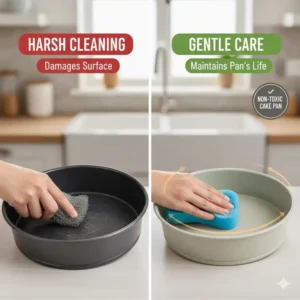
The greatest risk to your new non toxic cake pan is not the cake batter; it’s improper cleaning. Since many of these materials rely on gentle, pure surfaces for their non-toxic functionality, aggressive treatment can ruin them quickly.
-
Avoid Metal Utensils: This is non-negotiable for ceramic and silicone coatings. Use silicone, wood, or nylon spatulas only. Scratches are the enemy, as they can lead to flaking in ceramic pans or allow metal to contact the food in a coated pan.
-
Hand Wash is King: While some brands claim “dishwasher safe,” the harsh detergents and high heat of a dishwasher will significantly shorten the lifespan of any non-stick coating (ceramic or silicone). For this reason, I strongly recommend hand-washing with mild dish soap and a non-abrasive sponge.
-
Seasoning Cast Iron: For the Lodge Cast Iron Pan, seasoning is the key to both non-stick performance and preventing rust. After use, rinse, scrub gently (no soap or just a little), dry thoroughly (often on the stovetop), and apply a thin layer of oil before storing. This regular maintenance is why your cast iron non toxic bread pan can last for generations.
-
Storage: Avoid stacking pans with metal-on-metal contact. Instead, place a soft cloth or paper towel between your non toxic cake pan layers to prevent scratching.
🌟 Key Features & Benefits Comparison
| Feature/Benefit | Anodized Aluminum (e.g., Fat Daddio’s) | Silicone Coated Steel (e.g., USA Pan Bakeware) | Cast Iron (e.g., Lodge Pan) | Ceramic Coated (e.g., GreenLife) |
| Heat Distribution | Uniform: Prevents hot spots, ensuring level cakes. | Very Good: Steel core provides stable, consistent heat. | Excellent Retention: Heats slowly, holds heat for intense crust. | Good: Heats evenly, but thin coatings can be prone to faster heat loss. |
| Cake Release | Requires parchment/greasing (Low Release). | Excellent: Non-stick silicone provides effortless release. | Excellent (When Seasoned): Release improves with use and care. | Very Good (Initially): Clean release for first few months of use. |
| Health Assurance | Non-reactive surface prevents aluminum leaching. | Completely PFAS/PFOA-free, stable food-grade coating. | Pure iron, entirely chemical-free, seasoned with natural oil. | Mineral-based, guaranteed PFAS/PFOA-free composition. |
| Use Case Highlight | Professional: Ideal for tiered, perfectly level cakes. | Everyday: Best blend of safety, convenience, and performance. | Specialty: Best for deep-dish, cornbread, or crusty non toxic bread pan needs. | Aesthetic: Great for colorful kitchens and casual baking. |
In essence, if you’re a beginner, a silicone-coated steel pan offers the easiest, safest entry into non-toxic baking. If you are serious about perfectly level layers, the Fat Daddio’s ProSeries anodized aluminum non toxic cake pan is the industry standard.
📚 The Science of a Better Bake: Why Heat Matters
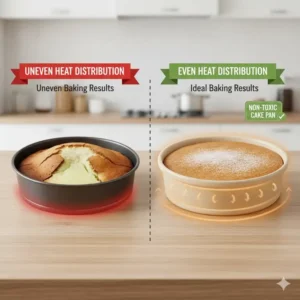
When we discuss a non toxic cake pan, the material’s impact on heat is almost as important as its chemical composition. For instance, aluminum is a superior heat conductor, meaning it transfers heat quickly and evenly. This rapid transfer prevents the outer edges of your cake from setting and burning before the center can rise. This is why pros love Fat Daddio’s ProSeries.
On the other hand, glass and cast iron are poor conductors but excellent retainers of heat. This means they take longer to heat up, but once they do, they hold that heat for a very long time. Consequently, glass bakeware (like Pyrex) often leads to darker, thicker crusts on your cakes because the sides and bottom stay hotter longer. This is great for items like casseroles or brownies, but maybe not ideal for a delicate sponge cake. This fundamental difference in thermal physics explains why your choice of non toxic cake pan material will directly impact your finished product. Understanding these physical differences allows you to bake not just safely, but smarter. For further reading on the thermal properties of bakeware materials, I recommend exploring resources from material science journals or reputable university culinary programs. [Link to a high-authority source about heat transfer in cooking (e.g., a reputable university or research site)].
🎯 Requirements Analysis: Selecting by Baking Need
| Baking Need | Best Material | Top Product Recommendation | Why it Excels |
| Perfectly Level Cake Layers | Anodized Aluminum | Fat Daddio’s ProSeries | Rapid, even heat conduction prevents doming. |
| Easy Release/Non-Stick | Silicone Coated Steel | USA Pan Bakeware | Superior, durable non-stick that is PFAS-free. |
| Cheesecake/Delicate Tarts | Silicone Springform | Elk & Friends Silicone | Flexible, chemical-free release mechanism. |
| Crusty Loaves (non toxic bread pan) | Seasoned Cast Iron | Lodge Cast Iron Pan | Unparalleled heat retention for deep, crispy crusts. |
| Muffins/Cupcakes (best non toxic muffin pan) | Ceramic Coated Steel | GreenLife Ceramic Muffin Pan | Excellent individual release and easy cleanup. |
| Brownies/Bar Cookies | Glass | Pyrex Basics Glass Dish | Heavy heat retention promotes thick, chewy edges. |
If you’re primarily baking a lot of muffins, the choice is clear: you need the best non toxic muffin pan that cleans up easily. If you make a holiday non toxic springform pan cheesecake once a year, the Elk & Friends Silicone is a great specialty tool. The correct pan is the one that aligns with your most frequent baking tasks.
✨ Ready to Start Baking Healthier? Click and Upgrade Your Kitchen Today! 🍰🛒
There is no better time than now to invest in a non toxic cake pan that will bring you peace of mind and perfectly baked treats for years to come. Click below to explore the latest deals and make the healthy switch! [Link to Amazon or a major retailer for a non toxic cake pan selection].
🚀 Conclusion: The Future of Healthier Baking is Here
The journey to find the perfect non toxic cake pan is a rewarding one. It’s an investment in your health, your family, and, frankly, the quality of your baked goods. We’ve explored the best materials, analyzed the top products—from the professional-grade consistency of the Fat Daddio’s ProSeries anodized aluminum to the pure, chemical-free durability of the Lodge Cast Iron Pan—and we’ve covered the crucial specialty items, including the non toxic springform pan and the best non toxic muffin pan.
Ultimately, the goal is simple: bake delicious things without the worry. By choosing any of the high-quality, non-toxic options reviewed here, you are taking a definitive step away from legacy chemical coatings and into a future of cleaner, safer, and truly expert baking. Don’t wait for your old, scratched non-stick pan to fail; make the upgrade today.
❓ Frequently Asked Questions
✅ The safest non toxic cake pan material is arguably 100% cast iron, like the Lodge pan, which is just pure metal with a natural oil seasoning, containing zero synthetic coatings or chemicals. Close seconds include high-grade, food-safe silicone and anodized aluminum, as both are inert and free of PFOA/PTFE, providing an excellent chemical-free baking surface...
✅ Ceramic non toxic cake pan options generally provide very good initial non-stick performance but may have a shorter lifespan compared to seasoned cast iron or silicone-coated steel. The key to longevity is strictly adhering to gentle use, avoiding metal utensils, and only hand washing with soft sponges, as harsh treatment degrades the mineral coating quickly...
✅ Yes, you can absolutely use a high-quality non toxic bread pan, such as a cast iron loaf pan or an aluminized steel loaf pan, for baking certain cakes. Loaf pans are ideal for dense cakes like pound cake, fruitcake, or quick bread recipes (e.g., banana bread) that benefit from the pan's high sides and robust heat transfer properties for even internal cooking...
✅ High-quality, food-grade silicone bakeware is a genuinely safe non toxic springform pan alternative, provided it is certified BPA-free and contains no fillers. Its natural flexibility and non-stick properties make it excellent for delicate items like cheesecakes, and it is chemically inert at normal baking temperatures (below 425°F), preventing any chemical leaching...
✅ The choice between a metal or silicone best non toxic muffin pan depends on your preferred result. Metal (ceramic or silicone-coated steel) offers better heat transfer for a crispier edge and faster cooking, making it ideal for classic muffins and cupcakes. Silicone offers superior, effortless release but often results in a softer, less-browned crust on your baked goods... ❓ What is the safest non toxic cake pan material available today?
❓ Do ceramic non toxic cake pan options actually last?
❓ Can I use a regular non toxic bread pan for baking cakes?
❓ Is silicone bakeware a genuinely safe non toxic springform pan alternative?
❓ Should I choose a metal or silicone best non toxic muffin pan?
Recommended for You:
- Cuisine pots and pans: 7 Awesome Sets to Transform Your Kitchen
- What Kind of Air Fryer is Non Toxic: 7 Best Models to Buy Now!
- Stainless Steel Bakeware Non Toxic: Top 7 Safe & Durable Picks for Healthy Baking [2025]
Disclaimer: This article contains affiliate links. If you purchase products through these links, we may earn a small commission at no additional cost to you.
✨ Found this helpful? Share it with your friends! 💬🤗