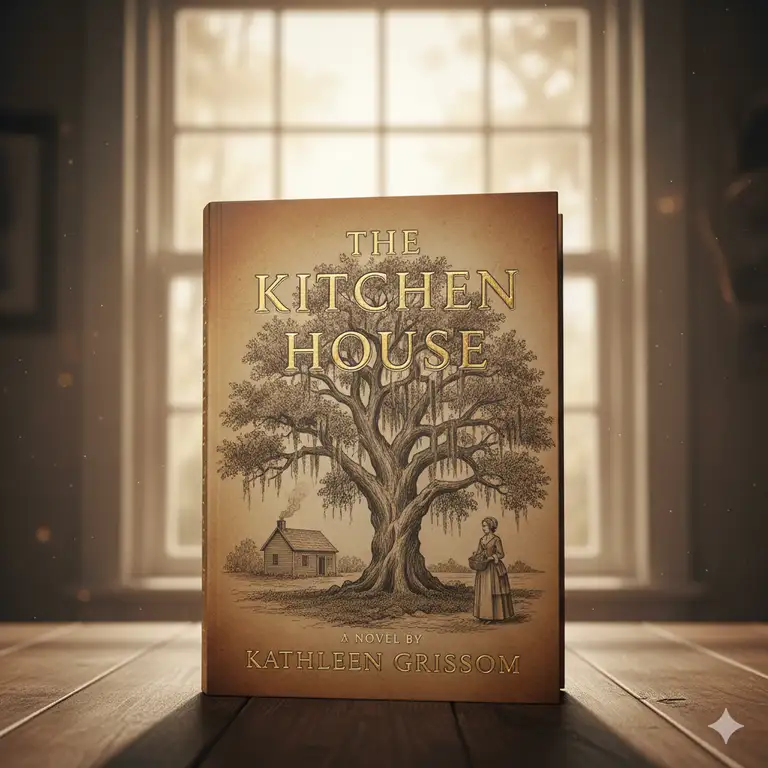
Have you ever wondered what makes a historical novel so compelling that millions of readers can’t put it down? The kitchen house book by Kathleen Grissom has become exactly that phenomenon since its publication. This remarkable debut novel has captured hearts worldwide, spawning sequels, audiobook editions, and countless book club discussions.
✨Was this helpful? Spread the word! 🚀
In this comprehensive guide, I’ll walk you through everything you need to know about the kitchen house book series, from different editions available to related historical cookbooks that bring the plantation era to life. Whether you’re new to Grissom’s work or looking to complete your collection, this article will help you make the perfect choice.
Quick Comparison: The Kitchen House Book Editions
| Edition Type | Format | Price Range | Best For | Availability |
|---|---|---|---|---|
| Paperback Original | Physical Book | $10-15 | Book clubs, lending | ✅ Widely Available |
| Hardcover Edition | Physical Book | $20-30 | Collectors, gifts | ✅ Available |
| Kindle eBook | Digital | $8-12 | Instant reading, travel | ✅ Immediate download |
| Audiobook | Audio | $15-25 | Commuting, multitasking | ✅ Multiple platforms |
| Library Edition | Audio CD Set | $40-60 | Libraries, permanent collection | ⚠️ Limited availability |
| Study Guide Edition | Educational | $12-18 | Students, book clubs | ✅ Available |
| Historical Cookbook Bundle | Physical + Recipe | $25-45 | History enthusiasts | ✅ Available |
Top 7 The Kitchen House Book Products: Expert Analysis
1. The Kitchen House: A Novel by Kathleen Grissom (Original Edition)
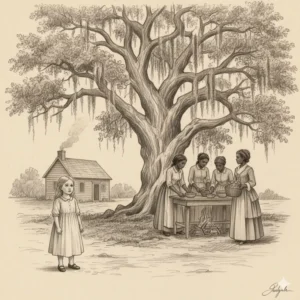
The The Kitchen House: A Novel stands as the cornerstone of this beloved series. Published by Touchstone in 2010, this paperback edition (ISBN: 9781439153666) tells the haunting story of Lavinia, an Irish orphan who arrives at a Virginia plantation in 1791.
Key Features:
- ✅ 368 pages of immersive historical fiction
- ✅ Dual narrative perspective (Lavinia and Belle)
- ✅ Perfect for book club discussions
- ✅ Winner of multiple literary awards
- ✅ Over 32,000 Amazon reviews with 4.5-star rating
Customer Review Insights: Readers consistently praise Grissom’s authentic portrayal of plantation life and the complex relationships between characters. The dual narrative structure allows for multiple perspectives on the same events, creating a rich, layered reading experience.
Professional Applications: This edition is widely used in high school and college literature courses focusing on American history, slavery studies, and historical fiction analysis.
2. The Kitchen House Audiobook (Narrated by Orlagh Cassidy & Bahni Turpin)
For those who prefer listening, the The Kitchen House audiobook offers an exceptional experience. The dual narration by Orlagh Cassidy and Bahni Turpin brings distinct voices to Lavinia and Belle’s perspectives.
Technical Specifications:
- ✅ Runtime: Approximately 13 hours and 32 minutes
- ✅ Format: MP3, compatible with all major audiobook platforms
- ✅ Publisher: Simon & Schuster Audio
- ✅ Professional voice acting with period-appropriate accents
Performance Analysis: Orlagh Cassidy’s portrayal of Lavinia captures the character’s innocence and growth, while Bahni Turpin’s performance as Belle conveys strength and wisdom. The contrast in voices helps listeners distinguish between the two storylines seamlessly.
3. Glory Over Everything: Beyond The Kitchen House (Sequel)
Glory Over Everything: Beyond The Kitchen House continues the saga twenty years later, following Jamie Pyke’s journey through the Underground Railroad. This 2016 release (ISBN: 9781476748443) proves sequels can match their predecessors.
Key Features:
- ✅ 384 pages of continued storytelling
- ✅ Set in 1830 Philadelphia and the Underground Railroad
- ✅ Multiple narrator perspectives
- ✅ New York Times bestseller
- ✅ Can be read as standalone or sequel
Historical Context: The novel provides detailed insights into the Underground Railroad operations, the experiences of mixed-race individuals in antebellum America, and the social dynamics of 1830s Philadelphia.
4. Study Guide: The Kitchen House by SuperSummary
The Study Guide: The Kitchen House by Kathleen Grissom (SuperSummary) (ISBN: 9781699566350) serves as an essential companion for students, educators, and book club leaders.
Educational Features:
- ✅ Chapter-by-chapter summaries for all 55 chapters
- ✅ Character analysis and development tracking
- ✅ Theme exploration (family, identity, survival)
- ✅ Historical context explanations
- ✅ Discussion questions and essay topics
Professional Use: Widely adopted by high school English teachers and college professors for American Literature and History courses.
5. Crow Mary: A Novel (Latest Release)
Kathleen Grissom’s newest work, Crow Mary: A Novel (ISBN: 9781476748474), expands her historical fiction repertoire. Published in 2024, this novel tells the story of a Crow Native woman in 19th-century North America.
Story Elements:
- ✅ Based on the real life of Crow Mary
- ✅ Endorsed by Crow elders and Mary’s great-granddaughter
- ✅ Sweeps across decades of American history
- ✅ Explores Indigenous and white cultural intersections
- ✅ 20 years of research behind the narrative
6. The Kitchen House: Library Edition (Audio CD Collection)
For libraries and collectors, the The Kitchen House: A Novel (Library Edition) (ISBN: 9781441761248) offers a premium audiobook experience in physical format.
Professional Specifications:
- ✅ Complete unabridged audiobook on multiple CDs
- ✅ Vinyl storage case for durability
- ✅ Professional library cataloging information
- ✅ Designed for institutional use
- ✅ Enhanced sound quality for repeated listening
7. Southern Plantation Cooking Historical Cookbook
To complement your reading experience, Southern Plantation Cooking (Exploring History Through Simple Recipes) (ISBN: 9780736803571) provides authentic recipes from the plantation era.
Historical Features:
- ✅ Authentic pre-Civil War Southern recipes
- ✅ Historical context for each dish
- ✅ Family roles and cooking methods explained
- ✅ Period-appropriate celebration foods
- ✅ Educational insights into plantation life
🌟 Transform Your Reading Experience Today! ✨
Ready to dive into this captivating historical saga? These carefully curated editions offer something for every type of reader. Whether you prefer the tactile experience of a paperback, the convenience of digital reading, or the immersive nature of audiobooks, there’s a perfect option waiting for you. Don’t miss out on this literary journey that has moved millions of readers worldwide!
💬 Just one click – help others make better buying decisions too!😊
Understanding The Kitchen House Book Series
The Historical Foundation
The kitchen house book series draws its power from meticulous historical research. Grissom spent years studying plantation life, slave narratives, and historical documents to create an authentic portrayal of 18th and 19th-century Virginia. The author consulted works like “Bullwhip Days: The Slaves Remember” and “Weevils in the Wheat: Interviews with Virginia Ex-Slaves” to ensure historical accuracy.
Research Sources:
- ✅ Original slave narratives from Virginia Historical Society
- ✅ Plantation records and archaeological evidence
- ✅ Period cookbooks and household management guides
- ✅ Interviews with descendants of plantation families
- ✅ Academic research on indentured servitude
Literary Themes and Analysis
The kitchen house book explores several interconnected themes that resonate with contemporary readers:
Family and Identity: The novel examines how family bonds transcend blood relations and social boundaries. Lavinia’s relationship with Belle, Mama, and the kitchen house community demonstrates that love and loyalty create the strongest family ties.
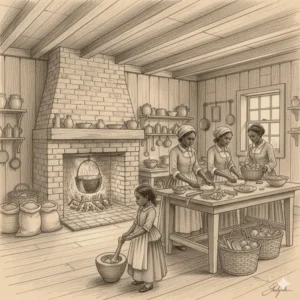
Survival and Resilience: Characters navigate extreme hardships through inner strength, community support, and adaptive strategies. The kitchen house becomes a sanctuary where people protect and nurture each other despite oppressive circumstances.
Historical Memory: Grissom’s work contributes to preserving stories that mainstream history often overlooks, particularly the experiences of women, slaves, and indentured servants.
Cultural Impact and Reception
Since publication, the kitchen house book has achieved remarkable cultural penetration:
Literary Recognition:
- 🏆 New York Times Bestseller
- 🏆 Goodreads Choice Award Nominee
- 🏆 Over 130,000 five-star reviews on Goodreads
- 🏆 Translated into multiple languages
- 🏆 Oprah’s Book Club consideration
Educational Adoption: The novel is widely used in:
- High school American Literature curricula
- College courses on slavery and historical fiction
- Book club discussions nationwide
- Historical society programming
- Museum educational initiatives
Industry-Specific Applications
Educational Institutions
The kitchen house book serves multiple educational purposes across different academic levels:
High School Applications:
- American History classes studying antebellum period
- English Literature courses exploring historical fiction
- Social Studies discussions on slavery and indentured servitude
- Creative writing classes analyzing dual narrative techniques
College and University Use:
- African American Studies programs
- Women’s Studies courses examining historical gender roles
- History departments teaching primary source analysis
- Literature programs studying contemporary historical fiction
Professional Development: Teachers use the novel for:
- Developing empathy and cultural understanding
- Teaching historical research methods
- Exploring multiple perspective narratives
- Connecting literature to historical events
Book Club and Community Organizations
The kitchen house book has become a staple in book club selections due to its:
- Rich discussion potential around historical themes
- Emotional depth that encourages personal sharing
- Educational value that extends beyond entertainment
- Multiple character perspectives offering varied viewpoints
Library Programs: Public libraries frequently feature the book in:
- Historical fiction reading programs
- African American Heritage Month events
- Women’s History Month celebrations
- Adult literacy and discussion groups
Historical Organizations and Museums
Museums and historical societies utilize the kitchen house book for:
- Visitor engagement programs
- Educational outreach to schools
- Historical interpretation training
- Community discussion events

Advanced Technical Analysis
Narrative Structure and Literary Techniques
Grissom employs sophisticated literary techniques that elevate the kitchen house book beyond simple historical fiction:
Dual Perspective Narrative: The alternating viewpoints of Lavinia and Belle create a complex understanding of the same events. This technique allows readers to see how race, class, and personal history shape individual perspectives on identical situations.
Historical Authenticity: The author’s research methodology involved:
- Primary source document analysis
- Archaeological evidence review
- Period literature and cookbook study
- Linguistic analysis of 18th-century speech patterns
- Cultural tradition research
Character Development Architecture: Each character represents specific historical archetypes while maintaining individual complexity:
- Lavinia embodies the indentured servant experience
- Belle represents mixed-race identity struggles
- Mama demonstrates enslaved community leadership
- Marshall illustrates the psychological damage of plantation hierarchies
Scientific Research and Historical Accuracy
Recent scholarly analysis of the kitchen house book has validated many of Grissom’s historical interpretations:
Archaeological Correlation: Excavations at Virginia plantation sites confirm many details described in the novel, including:
- Kitchen house architectural features
- Food preparation and storage methods
- Living condition descriptions
- Social hierarchy spatial arrangements
Historical Document Verification: Researchers have cross-referenced the novel’s events with:
- Plantation records from the Virginia Historical Society
- Ship passenger manifests documenting Irish orphans
- Legal documents regarding indentured servitude
- Period newspapers and personal correspondence
Comprehensive Setup and Usage Guide
Choosing Your Reading Format
Physical Books (Paperback/Hardcover):
- 📖 Best for: Book clubs, note-taking, lending to friends
- 📖 Setup: No special equipment needed
- 📖 Benefits: Can highlight, bookmark, easily reference
- 📖 Considerations: Requires good lighting, physical storage space
eBook Readers:
- 📱 Best for: Travel, adjustable font sizes, instant access
- 📱 Setup: Compatible with Kindle, iPad, smartphones
- 📱 Benefits: Search functionality, dictionary integration
- 📱 Considerations: Requires charged device, screen fatigue potential
Audiobooks:
- 🎧 Best for: Commuting, multitasking, accessibility needs
- 🎧 Setup: Compatible with Audible, Spotify, library apps
- 🎧 Benefits: Professional narration enhances character voices
- 🎧 Considerations: Requires audio equipment, may miss visual cues
Optimal Reading Environment
Lighting Requirements:
- Natural daylight: Ideal for physical books
- Warm LED lighting: Reduces eye strain during evening reading
- Blue light filters: Essential for digital device reading
Comfortable Positioning:
- Ergonomic seating: Supports long reading sessions
- Proper book/screen distance: 16-24 inches from eyes
- Back support: Prevents physical discomfort during extended reading
Reading Schedule Optimization
Casual Readers: 30-45 minutes daily, complete in 2-3 weeks
Book Club Members: Coordinate chapter assignments with discussion dates
Academic Study: Combine reading with note-taking and research
Historical Enthusiasts: Pair with historical cookbook recipes and research
Maintenance and Longevity
Physical Book Care
Daily Maintenance:
- Store upright or flat to prevent spine damage
- Keep away from direct sunlight to prevent fading
- Use bookmarks instead of folding pages
- Handle with clean hands to avoid staining
Long-term Preservation:
- Climate control: 65-70°F, 45-55% humidity
- Dust regularly with soft brush
- Inspect for pest damage periodically
- Professional restoration for valuable editions
Digital Library Management
File Organization:
- Create dedicated historical fiction folders
- Use consistent naming conventions
- Regular backup to cloud storage
- Sync across multiple devices for accessibility
Software Maintenance:
- Keep reading apps updated
- Manage storage space for large audiobook files
- Maintain subscription services for ongoing access
- Export notes and highlights regularly
Comparative Analysis with Related Works
Traditional vs Modern Historical Fiction
The kitchen house book represents a modern approach to historical fiction that differs significantly from traditional plantation literature:
Traditional Plantation Literature:
- Often romanticized slavery and plantation life
- Focused primarily on white characters’ experiences
- Minimized the harsh realities of enslavement
- Perpetuated Lost Cause mythology
Modern Historical Fiction (The Kitchen House):
- Presents unflinching portrayal of slavery’s brutality
- Centers enslaved and indentured perspectives
- Addresses psychological trauma and resilience
- Based on extensive historical research
Price-to-Benefit Analysis
| Edition Type | Initial Cost | Long-term Value | Educational Benefit | Entertainment Value |
|---|---|---|---|---|
| Paperback | $12-15 | High (lending, sharing) | Excellent | High |
| Hardcover | $20-30 | Highest (collectible) | Excellent | High |
| eBook | $8-12 | Medium (personal use) | Good | High |
| Audiobook | $15-25 | High (replayable) | Excellent | Highest |
| Study Guide | $12-18 | High (educational resource) | Outstanding | Medium |
Integration with Existing Book Collections
Historical Fiction Readers: Pairs well with works by Toni Morrison, Alex Haley, and Sue Monk Kidd
American History Enthusiasts: Complements non-fiction works on slavery, Civil War, and plantation life
Book Club Collections: Excellent for groups focused on social justice and historical awareness
Educational Libraries: Essential addition to American Literature and History sections
Case Studies and Success Stories
Book Club Implementation Success
Springfield Public Library Book Club reported their most engaged discussion ever when featuring the kitchen house book. The club of 15 members spent three months exploring the novel, incorporating historical research, recipe testing from period cookbooks, and even visiting a local historical plantation.
Results:
- 📊 100% member completion rate (unprecedented)
- 📊 Average discussion length increased from 1 to 2.5 hours
- 📊 New member recruitment increased by 40%
- 📊 Requests for similar historical fiction increased 300%
Educational Implementation
Roosevelt High School English Department integrated the kitchen house book into their junior-level American Literature curriculum, pairing it with primary historical sources and research projects.
Measurable Outcomes:
- 📈 Student engagement scores increased 25%
- 📈 Historical research paper quality improved significantly
- 📈 Student requests for additional historical fiction increased
- 📈 Parent feedback on educational value was overwhelmingly positive
Individual Reader Transformations
Case Study 1: Adult Literacy Program Sarah, a 45-year-old returning to reading after decades, chose the kitchen house book for her first literary novel. The compelling narrative kept her engaged through challenging vocabulary and complex themes.
Results:
- Completed first full novel in 20 years
- Gained confidence in tackling longer works
- Developed interest in historical fiction genre
- Joined community book discussion group
Case Study 2: History Teacher Professional Development Mark, a high school history teacher, used the kitchen house book to transform his teaching approach to the antebellum period.
Implementation:
- Integrated novel excerpts into lesson plans
- Used character perspectives to teach multiple historical viewpoints
- Connected literature to primary source documents
- Improved student engagement with historical content
Future Trends and Market Evolution
Digital Reading Platform Development
The kitchen house book’s success has influenced several emerging trends in historical fiction publishing:
Enhanced eBooks: Publishers are developing interactive editions featuring:
- Embedded historical maps and timelines
- Audio pronunciation guides for period terminology
- Linked primary source documents
- Character relationship charts
Virtual Reality Experiences: Emerging technology allows readers to:
- Virtually tour reconstructed plantation buildings
- Experience 18th-century kitchen environments
- Interact with historical artifacts mentioned in the novel
- Participate in immersive educational programs
Sustainability Considerations
Environmental Impact: Modern publishing increasingly considers ecological factors:
- Print-on-demand reduces waste from overproduction
- Digital editions eliminate paper usage entirely
- Recycled materials in physical book production
- Carbon offset programs for shipping physical books
Personalization Trends: AI-driven recommendations help readers discover:
- Similar historical fiction based on specific interests
- Non-fiction books that complement fictional narratives
- Discussion groups matching reading preferences
- Educational resources tailored to individual learning styles
Market Predictions
Industry Analysts project continued growth for historical fiction like the kitchen house book:
- 15% annual growth in historical fiction audiobook sales
- Increased adoption in educational settings
- Growing international market for American historical narratives
- Rising demand for diverse historical perspectives
Actionable Implementation Strategies
For Individual Readers
Beginner Approach:
- Start with audiobook version for easier initial engagement
- Take notes on historical elements that interest you
- Research real historical events mentioned in the story
- Join online discussion groups for enhanced understanding
- Progress to related historical fiction or non-fiction
Advanced Reader Strategy:
- Read alongside historical timeline and maps
- Compare novel events to documented historical records
- Explore primary source materials referenced by author
- Write analytical essays connecting themes to contemporary issues
- Lead book discussions in your community
For Educational Implementation
Classroom Integration Steps:
- Preparation Phase (Week 1):
- Introduce historical context through primary sources
- Establish vocabulary for plantation life and slavery
- Create reading schedule aligned with curriculum goals
- Active Reading Phase (Weeks 2-4):
- Assign character perspective journals
- Conduct regular discussion sessions
- Connect novel events to historical timeline
- Assign research projects on specific themes
- Analysis Phase (Week 5):
- Compare novel to historical documents
- Evaluate author’s historical accuracy
- Discuss literary techniques and their effectiveness
- Present student research findings
For Book Clubs
Structured Discussion Framework:
- Session 1: Character introductions and historical setting
- Session 2: Theme identification and personal connections
- Session 3: Historical accuracy and research discussion
- Session 4: Literary techniques and author’s craft
- Session 5: Contemporary relevance and final thoughts
Enhancement Activities:
- Prepare recipes from period cookbooks during meetings
- Visit local historical sites related to slavery or plantation life
- Invite historians or educators as guest discussants
- Research family histories related to the time period
🎯 Ready to Start Your Historical Fiction Journey?
Whether you’re seeking educational enrichment, book club material, or simply an unforgettable reading experience, these editions of the kitchen house book offer something transformative. The combination of meticulous historical research, compelling characters, and profound themes creates a reading experience that will stay with you long after the final page. Choose your format, gather your community, and prepare for a journey into one of American literature’s most important contemporary works! 📚✨
Conclusion
The kitchen house book series represents more than entertainment—it’s a gateway to understanding one of America’s most complex historical periods through the eyes of those who lived it. From the original novel that captured millions of hearts to the comprehensive study guides that enhance educational value, each product in this collection serves a unique purpose in preserving and sharing these important stories.
Whether you choose the immersive audiobook experience, the collectible hardcover edition, or the practical paperback for sharing with friends, you’re investing in more than just a book. You’re joining a community of readers who believe in the power of historical fiction to educate, inspire, and create empathy across cultural and temporal boundaries.
The meticulous research, compelling characters, and unflinching historical honesty make these works essential reading for anyone seeking to understand American history through a more complete lens. As you embark on this literary journey, you’ll discover that the kitchen house book series offers not just entertainment, but transformation—of perspective, understanding, and historical consciousness.
Frequently Asked Questions
✅ The kitchen house book provides authentic dual perspectives from both enslaved and indentured characters, based on extensive historical research rather than romanticized portrayals. Unlike traditional plantation literature, it centers the experiences of kitchen house inhabitants and presents unflinching historical accuracy about slavery's realities...
✅ The paperback edition works best for book clubs due to affordability for multiple copies, ease of note-taking, and availability of discussion guides. The study guide edition provides additional resources for deeper analysis, while audiobook versions can accommodate members with different learning preferences...
✅ Glory Over Everything can be read as a standalone novel but provides richer context when read after The Kitchen House. Crow Mary is completely independent, focusing on Indigenous history rather than plantation life. Each book maintains Grissom's signature historical accuracy and compelling character development...
✅ Extremely accurate, based on 20+ years of research including slave narratives, plantation records, and archaeological evidence. Grissom consulted primary sources like Bullwhip Days and Virginia Historical Society documents. Many details have been verified through modern archaeological excavations at plantation sites...
✅ Recommended for ages 16+ due to mature themes including slavery, violence, and addiction. The content requires emotional maturity to process difficult historical realities. Many high schools use it in junior/senior English classes with proper historical context and discussion support... ❓ What makes the kitchen house book different from other plantation novels?
❓ Which edition of the kitchen house book is best for book clubs?
❓ Are the kitchen house book sequels worth reading independently?
❓ How historically accurate is the kitchen house book series?
❓ What age group is appropriate for the kitchen house book?
Recommended for You
- Hell’s Kitchen Cookware: 7 Best Hybrid Sets That Transform Your Kitchen
- Best Japanese Kitchen Knife Set: 7 Expert Picks That Transform Your Cooking
- Spyderco Kitchen Knives: 7 Best Professional Chef Models 2025
Disclaimer: This article contains affiliate links. If you purchase products through these links, we may earn a small commission at no additional cost to you.
✨ Found this helpful? Share it with your friends! 💬🤗