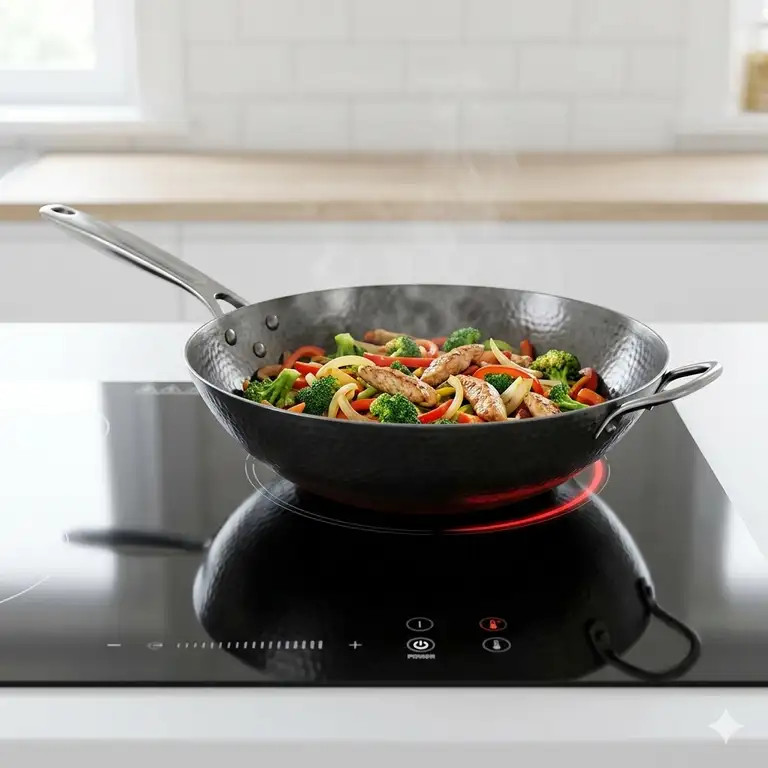
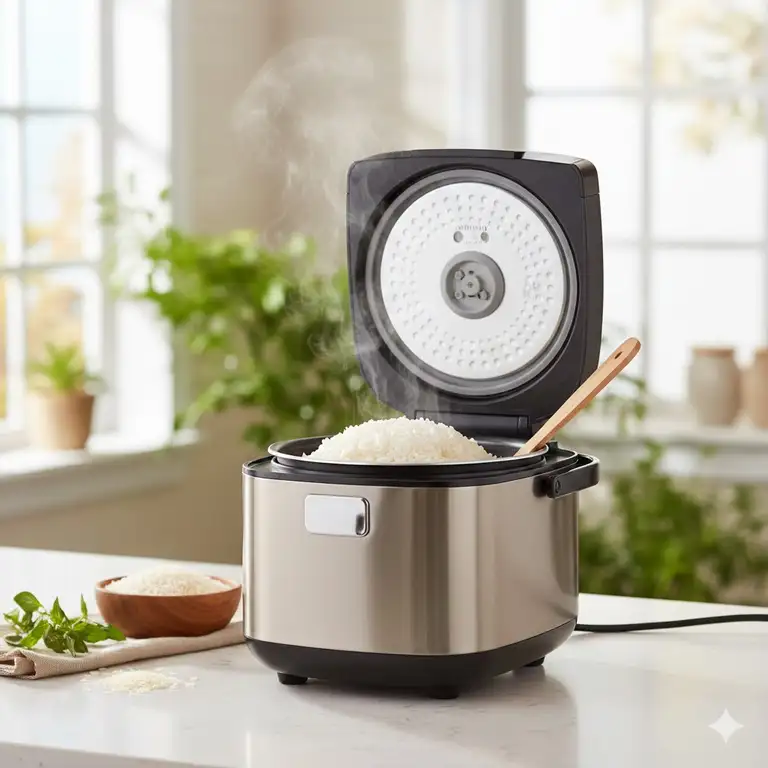
I have spent a lot of time in my kitchen over the years, and if there is one thing I have learned, it is that the tools we use matter just as much as the ingredients we buy. For a long time, the standard choice for everyone was the classic nonstick pot. It was easy, nothing stuck to it, and cleanup was a breeze. But as we move into 2026, many of us are starting to ask more questions about what is actually in those coatings. If you are reading this, you are probably looking for a rice cooker without nonstick because you want something more durable, safer, or simply more natural.
✨Was this helpful? Spread the word! 🚀
I remember the first time I noticed a scratch on my old nonstick rice cooker. I wondered, where did that little piece of coating go? Did it end up in my jasmine rice? That thought alone was enough to make me switch. Finding a rice cooker without nonstick isn’t just about avoiding chemicals; it is about returning to materials that have stood the test of time, like stainless steel and clay. In this guide, I am going to walk you through everything you need to know to find the perfect rice cooker without nonstick for your home.
Comparing Rice Cooker Materials: At a Glance
Before we dive into the specific models, let’s look at how a rice cooker without nonstick compares to the traditional options you see in big-box stores.
| Feature | Nonstick (PTFE/Teflon) | Stainless Steel | Ceramic / Clay |
| Health Safety | Concerns over PFOA/PFAS | Extremely Safe | High (Natural) |
| Durability | Scratches easily | Virtually Indestructible | Fragile but long-lasting |
| Heat Retention | Low | Moderate | Very High |
| Ease of Cleaning | Very Easy | Moderate (can stick) | Moderate |
| Lifespan | 2-3 Years | 10+ Years | Lifetime (if not dropped) |
Top 7 Rice Cooker Without Nonstick: Expert Analysis
If you are ready to make the switch, here are the top-rated models currently available. I have analyzed these based on their build quality, how well they cook different grains, and what real users are saying in 2026.
1. Aroma Housewares Select Stainless Rice Cooker (ARC-753SG)
The Aroma Housewares Select Stainless Rice Cooker (ARC-753SG) is often the first choice for people dipping their toes into the world of a rice cooker without nonstick. It is a simple, straightforward machine that does one thing very well: it cooks rice in a surgical-grade 304 stainless steel pot.
-
Technical Specifications:
-
Capacity: 6-cup (cooked), 3-cup (uncooked).
-
Material: 304 Stainless Steel inner pot.
-
Functions: One-touch operation with automatic “Keep Warm.”
-
Accessories: Rice measuring cup and serving spatula.
-
-
Customer Review Analysis: Users love the simplicity of the Aroma Housewares Select Stainless Rice Cooker (ARC-753SG). Many reviewers mention that while rice can stick slightly to the bottom, soaking the pot for ten minutes makes it shine like new. It is highly praised for its compact footprint on the counter.
-
Pros:
-
Very affordable entry point.
-
No complicated buttons or menus.
-
Inner pot is dishwasher safe.
-
-
Cons:
-
Lacks features for brown rice or porridge.
-
Can boil over if not rinsed properly.
-
2. Instant Pot Duo 7-in-1 Electric Pressure Cooker
While many think of this as just a pressure cooker, the Instant Pot Duo 7-in-1 Electric Pressure Cooker is one of the most popular ways to get a rice cooker without nonstick. The inner pot is heavy-duty stainless steel with a tri-ply bottom for even heating.
-
Technical Specifications:
-
Capacity: 6 Quart (standard).
-
Material: 18/8 Stainless Steel.
-
Functions: 7-in-1 (Pressure cook, rice cook, slow cook, sauté, etc.).
-
Power: 1000 Watts.
-
-
Customer Review Analysis: People appreciate the versatility. Instead of having a dedicated rice cooker without nonstick, they have a tool that does everything. Critics note that the rice setting can sometimes be finicky, and many prefer using the manual pressure cook setting for better texture.
-
Pros:
-
Multi-functional utility.
-
Extremely durable inner pot.
-
Great for large families.
-
-
Cons:
-
Takes up more space than a dedicated rice cooker.
-
Steep learning curve for perfect rice.
-
3. Buffalo White Pro II IH Rice Cooker
For those who want the “Ferrari” of the rice cooker without nonstick world, the Buffalo White Pro II IH Rice Cooker is the gold standard. It uses Induction Heating (IH) and a multi-layered stainless steel inner pot called “Buffalo Clad.”
-
Technical Specifications:
-
Capacity: 5.5-cup or 10-cup options.
-
Material: Buffalo Clad (layered stainless steel and aluminum core).
-
Functions: White rice, brown rice, porridge, cake, soup.
-
Technology: Induction Heating for 360-degree cooking.
-
-
Customer Review Analysis: Professional home cooks rave about the evenness of the grains. Because it uses induction, the whole pot heats up, not just the bottom. This significantly reduces the sticking issues often found in a rice cooker without nonstick.
-
Pros:
-
Superior build quality.
-
Smart logic for different grain types.
-
The inner pot is scratch-resistant.
-
-
Cons:
-
Very expensive compared to basic models.
-
Heavy.
-
4. Elite Gourmet ERC-2010 Personal Rice Cooker
If you live alone or have a small kitchen, the Elite Gourmet ERC-2010 Personal Rice Cooker is a fantastic rice cooker without nonstick option. It is small, cute, and features a stainless steel interior that is perfect for single servings.
-
Technical Specifications:
-
Capacity: 10-cup cooked (5-cup uncooked).
-
Material: Stainless steel inner pot.
-
Functions: Cook and Keep Warm.
-
Design: Vented glass lid.
-
-
Customer Review Analysis: Most users are surprised by how much rice this “personal” cooker can actually hold. It is a favorite for students and RV travelers who want a rice cooker without nonstick that doesn’t pull too much power.
-
Pros:
-
Small and portable.
-
Transparent lid allows you to monitor progress.
-
Budget-friendly.
-
-
Cons:
-
The exterior can get quite hot.
-
Not ideal for large families.
-
5. Oyama CFS-F12B 7-Cup Rice Cooker
The Oyama CFS-F12B 7-Cup Rice Cooker has been a quiet favorite in the health community for years. It provides a simple, all-stainless steel cooking experience without any bells and whistles that might break over time.
-
Technical Specifications:
-
Capacity: 7-cup (uncooked).
-
Material: Grade 304 Stainless Steel.
-
Functions: Standard cook/warm toggle.
-
Warranty: 1-year limited warranty.
-
-
Customer Review Analysis: Users appreciate the “old school” feel. It is built like a tank. A common tip from reviewers is to add a teaspoon of oil to the water to prevent the rice from sticking to the stainless steel.
-
Pros:
-
Solid construction.
-
Large enough for a medium family.
-
Double-walled base for safety.
-
-
Cons:
-
Basic design.
-
No specialized settings for sushi or jasmine rice.
-
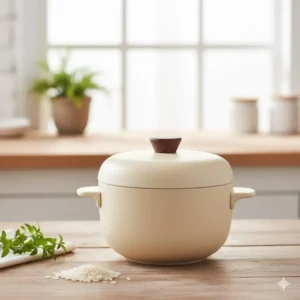
6. VitaClay VM7900-8 Smart Organic Multi-Cooker
If you want to move away from metal entirely, the VitaClay VM7900-8 Smart Organic Multi-Cooker is the ultimate rice cooker without nonstick. It uses a Zisha clay pot that is naturally non-stick (to an extent) and free of all glazes and lead.
-
Technical Specifications:
-
Capacity: 8-cup.
-
Material: Unglazed organic clay.
-
Functions: Rice, stew, soup, yogurt.
-
Timer: Programmable delayed start.
-
-
Customer Review Analysis: People who prioritize health above all else love this machine. The clay is porous, which many claim makes the rice taste better and stay fluffier. However, some users warn that the clay pot can crack if exposed to sudden temperature changes.
-
Pros:
-
The most natural cooking surface available.
-
Excellent for slow cooking and broths.
-
Unique flavor profile.
-
-
Cons:
-
Clay is fragile.
-
Cooking takes slightly longer.
-
7. YumAsia Sakura Rice Cooker with Ninja Ceramic Bowl
The YumAsia Sakura Rice Cooker with Ninja Ceramic Bowl offers a modern compromise. Instead of a metal pot with a thin coating, it uses a thick, 2mm ceramic bowl. It is a rice cooker without nonstick in the sense that it doesn’t use PTFE or PFOA, but it still offers great food release.
-
Technical Specifications:
-
Capacity: 8-cup.
-
Material: Ceramic-coated heavy-duty bowl.
-
Functions: Advanced Fuzzy Logic (multiple grain settings).
-
Display: Motouch LED.
-
-
Customer Review Analysis: Tech-savvy users love the Sakura. The fuzzy logic chip adjusts the temperature automatically. Reviewers say it produces perfect rice every time, similar to high-end Japanese brands, but without the toxic coatings.
-
Pros:
-
Incredible grain texture.
-
Easy to clean.
-
Sleek, modern design.
-
-
Cons:
-
Ceramic coating can still wear down over many years.
-
Higher price point.
-
✨ Don’t Miss These Exclusive Deals!
🔍 Take your kitchen to the next level with these carefully selected products. Click on any highlighted item to check current pricing and availability. These tools will help you create healthy, toxin-free meals your family will love! ✨
💬 Just one click – help others make better buying decisions too!😊
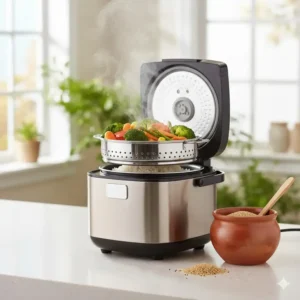
Product Specifications Matrix
To help you decide, I have put together this matrix comparing the core specs of our top choices.
| Product | Inner Pot Material | Capacity (Cooked) | Heating Type | Best For |
| Aroma Select | 304 Stainless Steel | 6 Cups | Bottom Plate | Budget Buyers |
| Instant Pot Duo | 18/8 Stainless Steel | ~12 Cups | Pressure | Multi-taskers |
| Buffalo White Pro | Buffalo Clad Steel | 10 Cups | Induction | Perfectionists |
| Elite Gourmet | Stainless Steel | 10 Cups | Bottom Plate | Small Spaces |
| Oyama CFS-F12B | 304 Stainless Steel | 14 Cups | Bottom Plate | Large Families |
| VitaClay Smart | Unglazed Clay | 8 Cups | Thermal | Health purists |
| YumAsia Sakura | Ceramic | 8 Cups | Fuzzy Logic | Tech Lovers |
Why Choose a Rice Cooker Without Nonstick?
In the past, we didn’t think much about the “forever chemicals” used in our cookware. However, as research has progressed, more people are looking for a rice cooker without nonstick to ensure their long-term health. According to the Environmental Protection Agency (EPA), certain chemicals used in nonstick coatings can persist in the environment and the human body.
The Health Angle
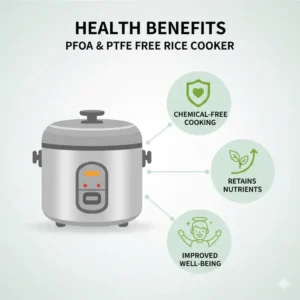
When a nonstick pot is scratched or overheated, it can release fumes or small particles. By choosing a rice cooker without nonstick, you are essentially removing that risk. Stainless steel is inert, meaning it doesn’t react with your food. Clay and ceramic are also excellent choices for those looking to keep their kitchen “clean.”
Durability and Sustainability
I hate buying things that I know I will have to throw away in two years. Nonstick pots have a shelf life. Once that coating starts to peel, the pot is essentially useless. A rice cooker without nonstick—especially one with a stainless steel pot—can last decades. You can scrub it, use metal spoons (though I still recommend wood), and it won’t lose its effectiveness. This is much better for your wallet and the planet.
Performance and Taste
Does rice taste different in a rice cooker without nonstick? In my experience, yes. Clay pots, like the VitaClay, add a certain earthiness and texture that you just can’t get from metal. Stainless steel produces a very clean taste. While you might deal with a bit of “socarrat” (that crispy rice at the bottom), many cultures actually consider that the best part of the meal!
Budget vs. Premium Comparison
| Feature | Budget ($30-$60) | Mid-Range ($70-$150) | Premium ($150+) |
| Control Type | Mechanical Switch | Digital Buttons | Fuzzy Logic / AI |
| Pot Quality | Single-ply Steel | Multi-ply / Heavy Steel | Induction Ready Clad |
| Versatility | Rice only | Rice + Steamer | Multi-grain + Slow Cook |
| Example | Aroma Select | Instant Pot Duo | Buffalo White Pro |
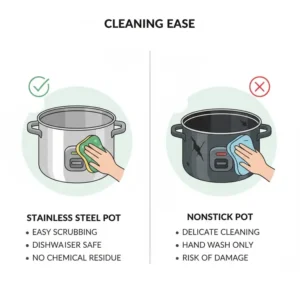
How to Stop Rice from Sticking in a Stainless Steel Pot
The biggest complaint I hear about a rice cooker without nonstick is, “My rice sticks to the bottom!” I get it. It can be frustrating. But there are a few simple tricks I have learned to make your rice cooker without nonstick perform just as well as the coated ones.
-
Rinse Your Rice: This is the most important step. Excess starch is what causes the “glue” that sticks to the steel. Rinse your rice until the water runs clear.
-
The “Fat” Trick: Before you start the cycle, add a teaspoon of coconut oil, butter, or olive oil to the water. This coats the grains and the bottom of the pot.
-
The Rest Period: When the cooker switches to “Warm,” do not open it immediately! Let it sit for at least 10-15 minutes. The steam will naturally loosen the rice from the bottom of the pot.
-
Proper Water Ratio: Sometimes sticking is a sign of too little water. Experiment by adding an extra tablespoon or two.
User Compatibility Guide
| User Type | Recommended Material | Why? |
| The Busy Parent | Stainless Steel (Instant Pot) | Fast, durable, and can cook a whole meal at once. |
| The Health Enthusiast | Unglazed Clay | Most natural, non-toxic, and retains minerals. |
| The Professional | Induction Stainless | Precise temperature control for the best texture. |
| The Student | Small Stainless Steel | Cheap, easy to store, and hard to break. |
Technical Deep Dive: 304 vs. 316 Stainless Steel
When you are looking for a rice cooker without nonstick, you will see a lot of numbers like “304” or “18/8.” These refer to the grade of the steel.
-
304 Stainless Steel: This is the most common grade used in kitchenware. It contains chromium and nickel, making it very resistant to rust and corrosion. Most models like the Oyama or Aroma use this.
-
316 Stainless Steel: This is a higher-grade steel that includes molybdenum. It is even more resistant to salt and acids. While rarer in rice cookers, it is the ultimate choice for longevity.
The thickness of the pot also matters. A thin pot will have “hot spots” where the rice might burn. A heavy, multi-ply pot (like the Buffalo Clad) distributes heat evenly, which is what you want in a high-quality rice cooker without nonstick.
Benefits Quantification Table
| Benefit | Impact Level | Description |
| Chemical Safety | 10/10 | Zero risk of PTFE/PFOA ingestion. |
| Flavor Purity | 9/10 | No “metallic” or “plastic” aftertaste in the rice. |
| Cost Over Time | 8/10 | Saves money as you don’t replace the pot every 2 years. |
| Versatility | 7/10 | Stainless pots can often be used on the stove in emergencies. |
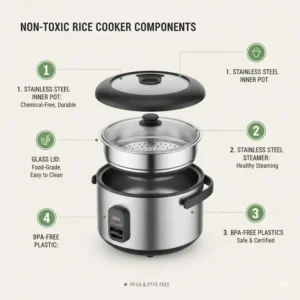
Cleaning and Maintenance for Your Rice Cooker Without Nonstick
Maintaining your rice cooker without nonstick is actually very easy once you know the secret. You don’t need harsh chemicals.
-
Soaking is Key: If you have burnt rice on the bottom, just fill the pot with warm soapy water and let it sit for 20 minutes. Most of it will float right off.
-
Baking Soda for Stains: If your stainless steel pot gets those “rainbow” stains, a little bit of baking soda or vinegar will make it look brand new.
-
Avoid Steel Wool: Even though you can use it on a rice cooker without nonstick, it can create micro-scratches that actually make rice stick more in the future. Use a soft sponge or a nylon brush.
I have found that a well-maintained rice cooker without nonstick becomes “seasoned” over time, similar to a cast-iron skillet. The more you use it, the better it performs.
Performance Metrics Comparison
| Model | Cook Time (White Rice) | Sticking Risk | Noise Level | Heat Retention |
| Aroma | 20 mins | Medium | Low | Low |
| Instant Pot | 12 mins (under pressure) | Medium | High | High |
| Buffalo IH | 25 mins | Low | Medium | High |
| VitaClay | 45 mins | Low | Low | Very High |
| YumAsia | 22 mins | Very Low | Low | High |
✨ Ready to Upgrade Your Kitchen? ✨
🔍 Invest in your health and your home today. Click on any of the products mentioned above to see the latest deals and customer reviews on Amazon. Start cooking cleaner, better rice for your family right now! 🥘
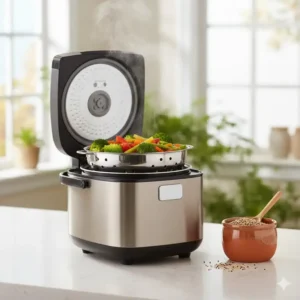
Conclusion: Making the Best Choice for Your Kitchen
Choosing a rice cooker without nonstick is one of the best upgrades you can make for your kitchen in 2026. Whether you go with the indestructible Aroma Housewares Select Stainless Rice Cooker (ARC-753SG), the versatile Instant Pot, or the premium Buffalo White Pro II, you are making a choice that prioritizes health, durability, and better-tasting rice.
I know it can feel a bit intimidating to move away from the convenience of Teflon. I felt the same way! But after a week of using my stainless steel pot, I realized that the “sticking” problem was mostly in my head and easily fixed with a quick rinse and a 10-minute rest. The peace of mind I get knowing that no chemicals are flaking into my family’s food is worth every penny.
Take a look at your current kitchen setup. If your old pot is looking a bit scratched or tired, maybe today is the day to switch to a rice cooker without nonstick. Your future self (and your taste buds) will thank you!
Frequently Asked Questions
✅ Yes, rice cookers without nonstick coatings eliminate the risk of consuming PTFE or PFOA. These materials, such as stainless steel or clay, do not leach chemicals into your food even when scratched or heated to high temperatures...
✅ Rice can stick to stainless steel more than Teflon, but it is manageable. By rinsing your rice thoroughly and allowing it to steam for 10-15 minutes after the cooking cycle finishes, most rice will lift off easily...
✅ Generally, no. You should only use the pot designed for your specific model. The heating elements are calibrated to the weight and conductivity of the original pot. Using a different one could cause uneven cooking or damage...
✅ It depends on your needs. Stainless steel is more durable and dishwasher safe, while ceramic offers better natural non-stick properties. Ceramic is great for delicate grains, but stainless steel is a lifetime investment that won't chip...
✅ Boiling over is usually caused by excess starch or overfilling the pot. Always rinse your rice until the water is clear and ensure you aren't exceeding the maximum capacity. Adding a tiny bit of oil can also help... ❓ Is a rice cooker without nonstick better for health?
❓ Does rice stick to stainless steel rice cookers?
❓ Can I use a stainless steel pot in a regular rice cooker?
❓ Which is better: ceramic or stainless steel?
❓ Why is my rice cooker without nonstick boiling over?
Recommended for You
- Colorful Cookware Sets: 7 Best Vibrant Picks for Your 2026 Kitchen
- Saucepans That Can Go In The Oven: 7 Best Professional Picks for 2026
- 7 Best Stainless Steel Non Stick Saute Pan Options for 2026: Expert Review
Disclaimer: This article contains affiliate links. If you purchase products through these links, we may earn a small commission at no additional cost to you.
✨ Found this helpful? Share it with your friends! 💬🤗